Garlic Bread
Introduction:
What if a single slice of garlic bread — typically 120–180 calories depending on your butter and bread choices — could transform a weeknight dinner into a restaurant-style experience in under 30 minutes? This post unpacks a foolproof homemade garlic bread recipe, backed by practical measurements, nutritional estimates, and substitutions so you can maximize flavor while matching your dietary goals.
Ingredients List:
- 1 large baguette or Italian loaf (about 12–14 inches). Choose a crusty loaf for crunch or a softer sandwich loaf for chewier texture; sourdough adds tang.
- 1/2 cup (113 g) unsalted butter at room temperature. Swap with olive oil or vegan butter for dairy-free options.
- 4–6 cloves garlic, minced (about 2–3 tablespoons). Roasted garlic can be used for a milder, sweeter profile.
- 2 tablespoons fresh parsley, finely chopped (or 2 teaspoons dried). Basil or chives work well for variation.
- 1/4 cup (25–30 g) grated Parmesan or Pecorino Romano (optional). For vegan diets, use a nutritional yeast-parmesan mix.
- 1/2 teaspoon fine sea salt and 1/4 teaspoon black pepper, or to taste.
- 1/2 teaspoon red pepper flakes (optional) for heat.
- 1–2 teaspoons lemon zest (optional) to brighten flavors.
Substitutions and sensory notes: use high-quality butter for a rich mouthfeel; cultured butter adds depth. For a lighter option, replace half the butter with extra-virgin olive oil — expect a silkier, less cloying finish. If you love a cheesy pull, add 1 cup shredded mozzarella before baking; for crispier top, broil 1–2 minutes at the end.
Timing:
- Preparation time: 8–12 minutes (mincing garlic, mixing spread, slicing bread).
- Cooking time: 10–12 minutes at 375–400°F (190–205°C), or 1–2 minutes under broil for a golden finish.
- Total time: approximately 20 minutes.
Context: At roughly 20 minutes total, this garlic bread is faster than many oven-baked side dishes that require extended baking or proofing. If you opt to roast garlic beforehand, add 25–30 minutes, but that step can be done in advance to keep hands-on time under 15 minutes.
Step 1: Prep the garlic butter base
Mix room-temperature butter with minced garlic, chopped parsley, grated cheese (if using), salt, pepper, and optional lemon zest in a bowl until homogenous. Tip: mash the garlic with a pinch of salt using the side of a chef’s knife before adding; this releases more aroma and reduces raw bite. For even distribution, transfer the mixture to a piping bag or zip-top bag and snip one corner for easy spreading.
Step 2: Slice and assemble
Cut the baguette on a slight bias into 1–1.5 inch slices, leaving the bottom attached if you want pull-apart style, or slice fully for individual pieces. Spread 1–2 tablespoons of garlic butter on each slice, making sure to reach the edges to ensure even browning. Tip: For maximum crunch, create shallow diagonal cuts without slicing all the way through, then slide the garlic butter between the cuts for an infused interior.
Step 3: Bake to perfect crispness
Place assembled bread on a baking sheet lined with foil or parchment. Bake at 375–400°F (190–205°C) for 8–12 minutes until the edges are toasty and the butter has melted into the crumb. For a golden, slightly charred finish, switch to broil on high for 1–2 minutes—watch closely to prevent burning. Tip: Convection ovens will brown faster; reduce time by 1–2 minutes and check early.
Step 4: Add final touches and serve
Right after baking, sprinkle additional parsley or cheese and, if you like, a drizzle of olive oil. For a zesty lift, grate a thin layer of lemon zest over the top. Serve immediately for best texture. Tip: If adding melted cheese, allow 30–60 seconds of resting after broil to avoid losing gooey strings when cutting.
Nutritional Information:
Estimated per slice (based on 12 slices from a 14-inch baguette, butter and optional cheese): Calories 150–180; Total fat 8–12 g; Saturated fat 4–6 g; Carbohydrates 15–20 g; Protein 3–5 g; Sodium 180–350 mg; Fiber <1–2 g. Data insights: swapping half the butter with olive oil can reduce saturated fat by ~30–40% while keeping total fat similar; using a whole-grain loaf increases fiber by 1–2 g per slice. Note: Adding mozzarella raises calories and protein proportionally; vegan butter and nutritional yeast tend to lower saturated fat but may increase sodium depending on the product.
Healthier Alternatives for the Recipe:
- Lower-saturated-fat version: Replace half or all of the butter with extra-virgin olive oil flavored with garlic and parsley. Olive oil delivers monounsaturated fats and a Mediterranean nutrient profile.
- Reduced-calorie swap: Use thinly sliced whole-grain baguette and cut smaller portions; you’ll gain fiber and reduce glycemic load.
- Vegan option: Use firm vegan butter or a 1:1 mix of olive oil and mashed avocado for creaminess; replace cheese with nutritional yeast and toasted pine nuts for umami.
- Gluten-free: Choose a sturdy gluten-free baguette; brush slices lightly with olive oil before applying garlic spread to prevent sogginess.
- Low-sodium: Omit added salt and use low-sodium cheese or nutritional yeast; boost flavor with lemon zest, smoked paprika, or fresh herbs.
Serving Suggestions:
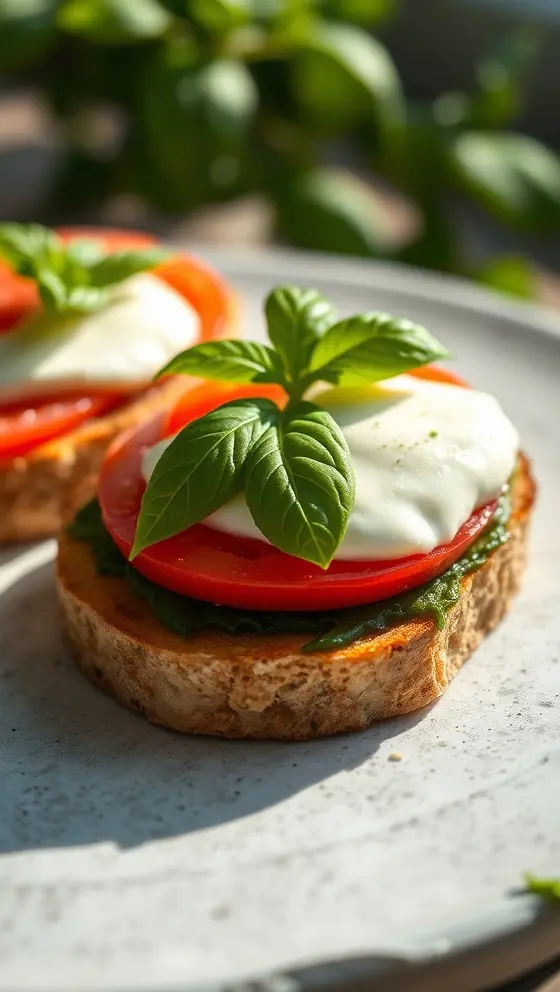
Serve garlic bread alongside tomato-based pastas, minestrone, grilled vegetables, or as a base for bruschetta. For a crowd-pleasing appetizer, top slices with tomato-basil salsa or roasted red pepper and feta. Personalization tip: create a “build-your-own” garlic board—place plain garlic buttered slices and bowls of assorted toppings (olives, roasted peppers, anchovies, three cheese blend) so guests customize. For sandwiches, use cooled garlic bread as a flavorful bun alternative for panini or meatball subs.
Common Mistakes to Avoid:
- Not softening the butter: Cold butter leads to clumpy, uneven spread—allow 30–60 minutes at room temperature or microwave in short bursts.
- Over-baking: Broiling for too long can turn garlic bitter and bread burnt; watch closely during final browning.
- Under-seasoning: Garlic can lose punch when baked; taste the butter mixture before spreading and adjust salt, lemon, or herbs.
- Using too much spread: Over-saturating slices makes them soggy; aim for an even, thin layer that reaches the edges.
- Skipping resting time after broil: Cutting immediately can cause cheese and hot butter to run—let it settle 30–60 seconds for cleaner slices.
Storing Tips for the Recipe:
- Short-term: Store leftover garlic bread in an airtight container at room temperature for up to 12 hours to preserve crust; refrigerate up to 2 days but expect softer crust.
- Reheating: Reheat in a 350°F (175°C) oven for 5–8 minutes to restore crispness, or toast in a toaster oven. Avoid microwaving as it makes bread rubbery.
- Freezing: Wrap cooled garlic bread tightly in foil and freeze up to 2 months. Reheat from frozen at 375°F (190°C) for 12–18 minutes. For pre-sliced frozen portions, add 2–4 minutes.
- Make-ahead: Prepare garlic butter and refrigerate up to 5 days or freeze in a log for up to 3 months; slice and spread when ready to bake for fastest results.
Conclusion:
This garlic bread method gives you high-impact flavor in about 20 minutes, with clear swaps to fit vegan, gluten-free, or lower-fat goals while preserving texture and aroma. Try making the garlic butter ahead of time, experiment with cheeses and herbs, and heat gently for the best crust-to-crumb balance. Try the recipe tonight, tag a photo of your result, and share which variation you loved—your feedback guides future recipe tweaks.
FAQs:
Q: Can I use minced garlic from a jar? A: Yes. Jarred minced garlic is convenient but often milder and more watery; reduce any added liquid and taste the butter mix to adjust seasoning. Fresh garlic delivers brighter flavor.
Q: How do I avoid garlic breath after eating? A: Parsley contains chlorophyll that helps neutralize odors—mix extra parsley into your garlic butter or serve a parsley garnish. Drinking green tea or eating an apple post-meal can also help.
Q: Is it better to broil or bake? A: Baking at 375–400°F ensures even melting and warmed crumb; broil for brief time to add surface char. Use bake-only for fragile loaves and a quick broil for a crisp finish.
Q: Can I make garlic bread without dairy? A: Absolutely — use vegan butter, olive oil, or mashed avocado and nutritional yeast to replace dairy flavors while reducing saturated fat.
Q: How do I scale the recipe for a crowd? A: Multiply garlic butter by the number of loaves and prepare in a large bowl. Keep assembled bread on baking sheets and bake staggered if oven space is limited; cover finished trays loosely with foil to keep warm.
If you want related ideas, try pairing this garlic bread with an easy weeknight tomato soup, a baked ziti recipe, or a roasted vegetable medley for a balanced plate.
Garlic Bread
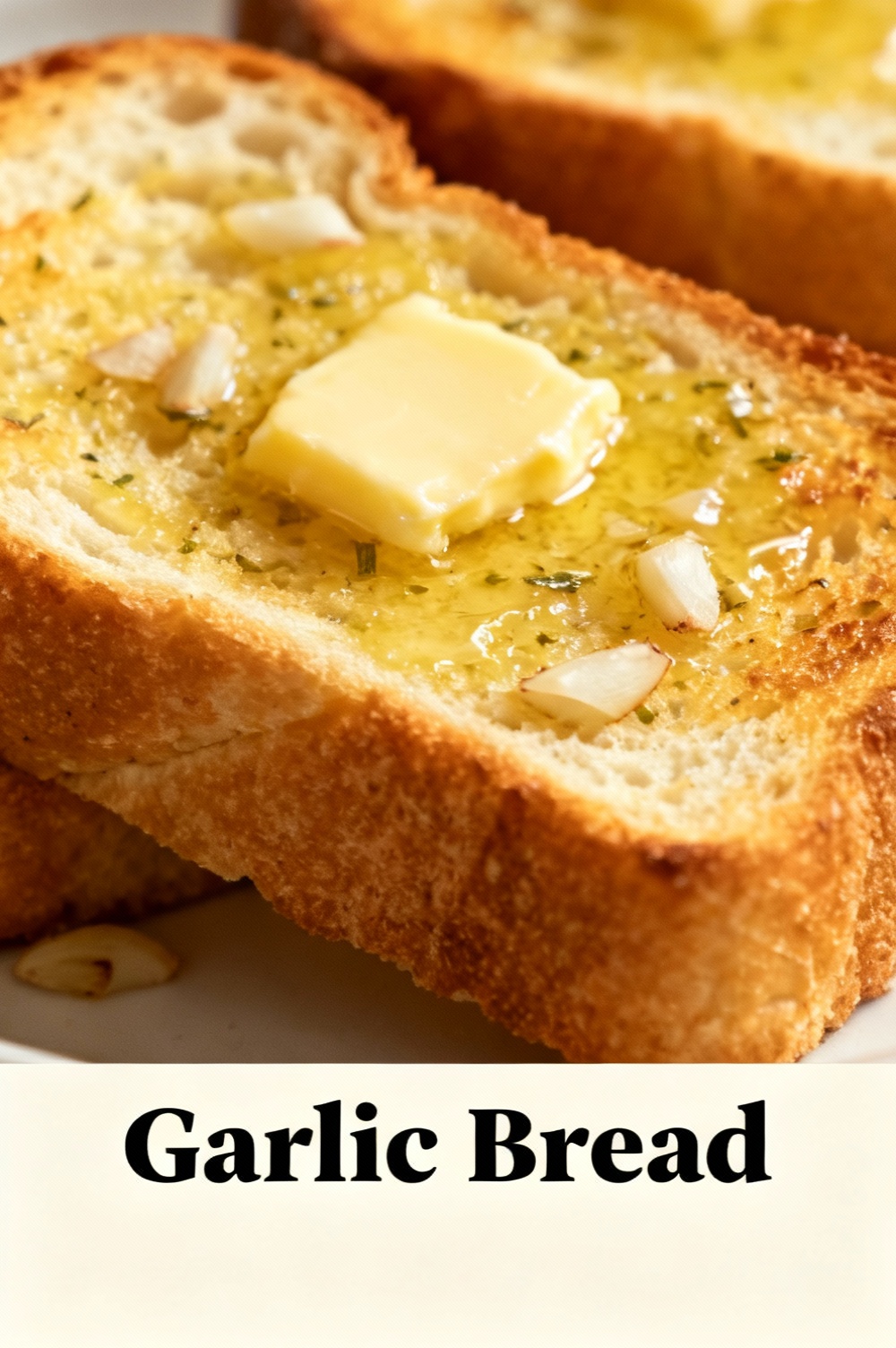
Golden, garlicky, and buttery — the perfect accompaniment to pasta, soup, or a cozy meal.
Ingredients
- 1 (12–14 oz) baguette or Italian loaf
- 1/2 cup (115 g) unsalted butter, softened
- 4–6 garlic cloves, minced (about 2–3 tsp)
- 2 tbsp fresh parsley, finely chopped
- 1/4 cup (25 g) grated Parmesan cheese (optional)
- 1/4 tsp salt, or to taste
- 1/8 tsp freshly ground black pepper
- 1 tbsp olive oil (optional, for brushing)
- Pinch of red pepper flakes (optional)
Instructions
- Preheat the oven to 400°F (200°C). Line a baking sheet with foil for easy cleanup.
- Slice the baguette in half lengthwise. If you prefer individual pieces, you can slice into 1–1½ inch thick slices without cutting all the way through (pull-apart style) or fully slice after baking.
- In a bowl, combine the softened butter, minced garlic, chopped parsley, grated Parmesan (if using), salt, and pepper. Mix until smooth. Stir in a drizzle of olive oil if desired for extra spreadability.
- Spread the garlic butter evenly over the cut sides of the bread. If you like a stronger garlic flavor, spread generously.
- Place the bread on the prepared baking sheet, buttered side up. Cover loosely with foil and bake for 10–12 minutes to melt the butter and warm the bread through.
- Remove the foil and broil for 1–3 minutes (watch closely) until the top is golden and crisp. Alternatively, bake uncovered for 3–5 more minutes at 400°F until edges are golden.
- Remove from the oven, sprinkle with extra parsley or Parmesan if desired, slice, and serve warm.
- Store leftovers wrapped in foil at room temperature for a day or refrigerate up to 2 days; reheat in the oven to restore crispness.
Nutrition Information
- Calories: 210 kcal
- Cholesterol: 30 mg
- Sodium: 260 mg
- Carbohydrates: 18 g
- Fiber: 1 g
- Sugar: 1 g
- Protein: 4 g