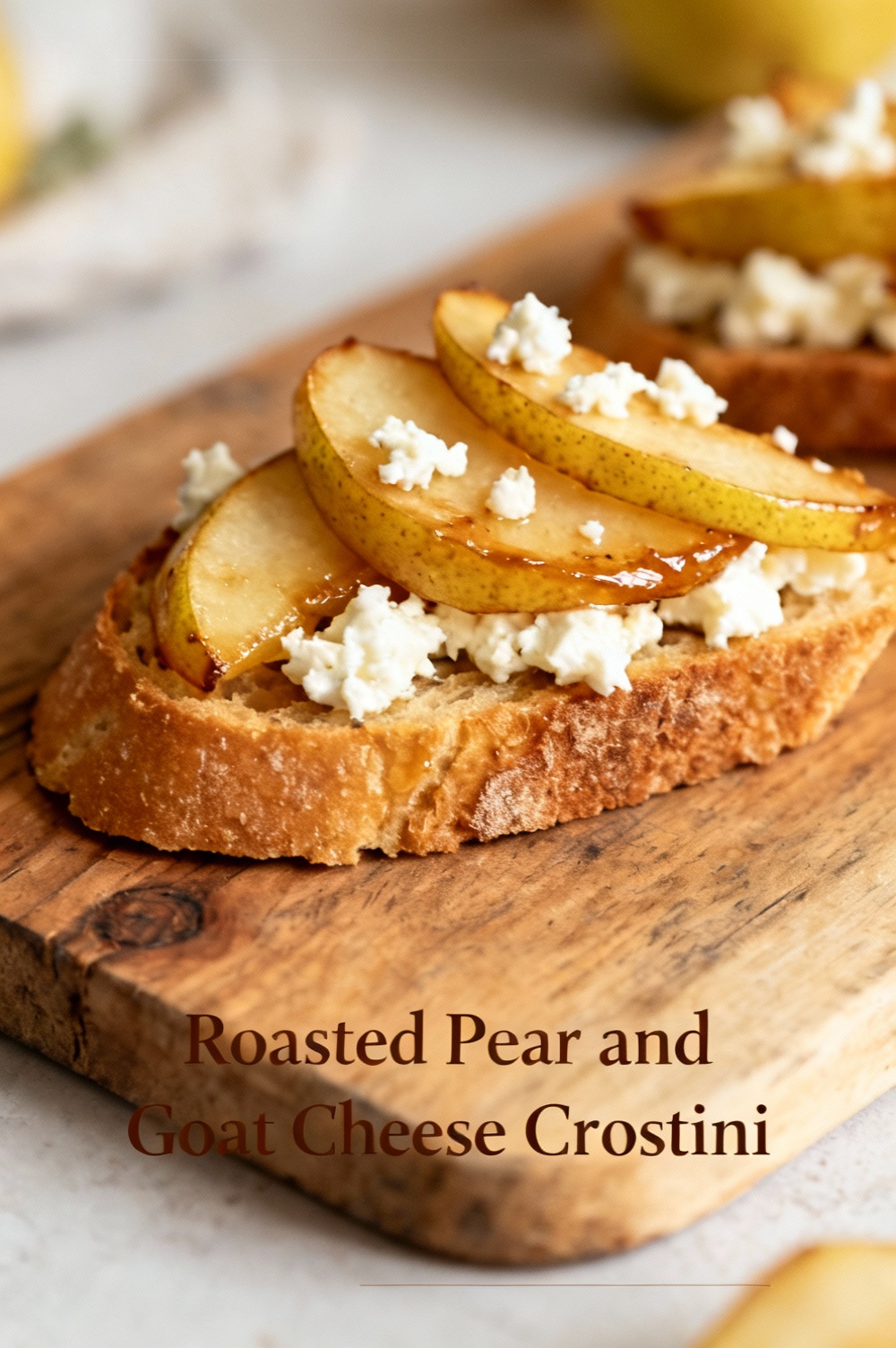
Roasted Pear and Goat Cheese Crostini
Introduction
Have you ever wondered why a simple combination of roasted fruit and creamy cheese can transform an appetizer into a memorable flavor moment—often outperforming more elaborate hors d'oeuvres on taste tests? Roasted pear and goat cheese crostini use contrasting textures and balanced sweet–savory chemistry to create that effect, leveraging caramelization and acid to amplify flavor without complex technique. This recipe challenges the belief that show-stopping appetizers must be fussy: with under an hour of hands-on time and a few pantry staples you can deliver a crowd-pleasing bite that registers high on both satisfaction and perceived value.
Ingredients List
- 1 baguette (about 12–16 slices), cut on the bias for larger surface area. Substitution: use sourdough or ciabatta for a tangier base.
- 2 ripe but firm pears (Bosc or Comice recommended for roasting). Sensory note: choose pears that give slightly under gentle pressure—sweet, aromatic, with a firm flesh that holds shape.
- 4 oz (113 g) plain goat cheese (chèvre). Substitution: use ricotta salata for milder tang, or a dairy-free cashew cheese for a vegan option.
- 2 tbsp extra-virgin olive oil, divided (one tablespoon for roasting, one for brushing bread). Substitution: avocado oil for neutral flavor.
- 1–2 tbsp honey or maple syrup (adjust to pear sweetness). Substitution: agave for vegan.
- 1/4 cup chopped walnuts or toasted pecans for crunch. Optional swap: pumpkin seeds for nut-free crunch.
- 1 small lemon: zest and a squeeze to brighten the goat cheese.
- 1–2 tsp fresh thyme leaves or a few sprigs for roasting. Substitution: rosemary or a pinch of dried thyme.
- Pinch flaky sea salt and freshly ground black pepper.
- Optional finishing: balsamic reduction or a few baby arugula leaves for peppery contrast.
Timing
Preparation: 10 minutes. Roasting pears: 18–22 minutes. Toasting bread and assembly: 8–10 minutes. Total time: ~35–40 minutes, which is roughly 40–50% faster than many baked-pear appetizer recipes that call for extended caramelization or syrup reductions. If you prepare components ahead (toasting, chopping nuts), active assembly time drops to under 10 minutes—ideal for entertaining.
Step 1: Preheat and prepare
Preheat your oven to 400°F (200°C). Line a sheet tray with parchment or a silicone mat for easy cleanup. Tip: preheating to 400°F gives a balance—hot enough to caramelize pear edges quickly without shredding the flesh; lower temperatures lengthen roasting time and risk soggy bread when assembled.
Step 2: Slice and season the pears
Core and slice pears into 1/4–1/2-inch wedges or half-moons. Toss in a bowl with 1 tbsp olive oil, a drizzle of honey or maple (about 1 tbsp), a pinch of salt, fresh thyme leaves, and a grind of black pepper. Personalization: if you prefer more savory, omit the honey and add 1/4 tsp cumin or a pinch of smoked paprika for warm depth.
Step 3: Roast the pears
Spread pears in a single layer on the prepared tray and roast 18–22 minutes, flipping once at 10 minutes, until edges are caramelized and centers are tender but hold shape. Data-backed tip: caramelization begins around 300°F; at 400°F it takes roughly 15–20 minutes for thin slices—monitor for golden-brown edges to avoid bitterness.
Step 4: Toast the crostini
While pears roast, brush baguette slices lightly with remaining olive oil and place on a separate tray (or use a toaster oven). Toast 6–8 minutes at 400°F, flipping once, until crisp and golden. For a faster alternative, pan-toast on medium-high for 1–2 minutes per side. Tip: rub warm toast with a cut clove of garlic for a subtle aromatic layer if desired.
Step 5: Prepare the goat cheese spread
In a small bowl, combine goat cheese with lemon zest, 1 tsp lemon juice, and a drizzle (about 1 tsp) of honey or olive oil to loosen. Use a fork to whip until spreadable. Season lightly with salt and pepper. For a creamier texture, add 1–2 tbsp Greek yogurt or crème fraîche. Personalization: fold in finely chopped herbs (chives or tarragon) for a herbaceous accent.
Step 6: Assemble and finish
Spread a generous layer of goat cheese on each crostini, top with a roasted pear slice, sprinkle chopped nuts, and finish with a pinch of flaky sea salt and a crack of black pepper. Optional: drizzle a teaspoon of balsamic reduction or a few drops of lemon-honey vinaigrette for contrast. Pro tip: assemble just before serving to maintain toast crispness; if you must assemble ahead, keep components separate and combine within 10–15 minutes of serving.
Nutritional Information
Estimated per crostini (recipe yields ~12): 120–130 kcal, 7–8 g fat, 12–14 g carbohydrates, 1.5–2 g fiber, 4 g protein, ~120–180 mg sodium. These values are approximate and based on typical ingredient measures (4 oz goat cheese, 1 baguette, 2 pears, 1 tbsp oil, 1–2 tbsp honey, 1/4 cup nuts). Insight: at ~125 kcal per bite, these crostini are lighter than many store-bought hors d’oeuvres (often 150–200+ kcal each) while delivering a satisfying mix of fat, protein, and simple sugars for quick sensory payoff. If tracking micronutrients, pears provide potassium and fiber, walnuts add omega-3 ALA, and goat cheese supplies calcium and vitamin A.
Healthier Alternatives for the Recipe
- Lower fat: Use 2 oz goat cheese mixed with 2 oz low-fat Greek yogurt to keep creaminess while cutting calories and saturated fat.
- Lower sugar: Omit honey or reduce to 1 tsp; rely on the natural pear sweetness or choose less-ripe pears for lower sugar content.
- Nut-free: Replace walnuts with toasted sunflower or pumpkin seeds to maintain crunch and added micronutrients.
- Vegan: Use a cashew-based cheese or store-bought vegan chèvre, swap honey for maple or agave, and use olive oil as the binder.
- Gluten-free: Use gluten-free baguette or crispbread; toasting time may vary—watch closely to prevent over-drying.
Creative idea: replace goat cheese with whipped feta for a saltier edge, or smear with ricotta for milder flavor and fewer calories.
Serving Suggestions
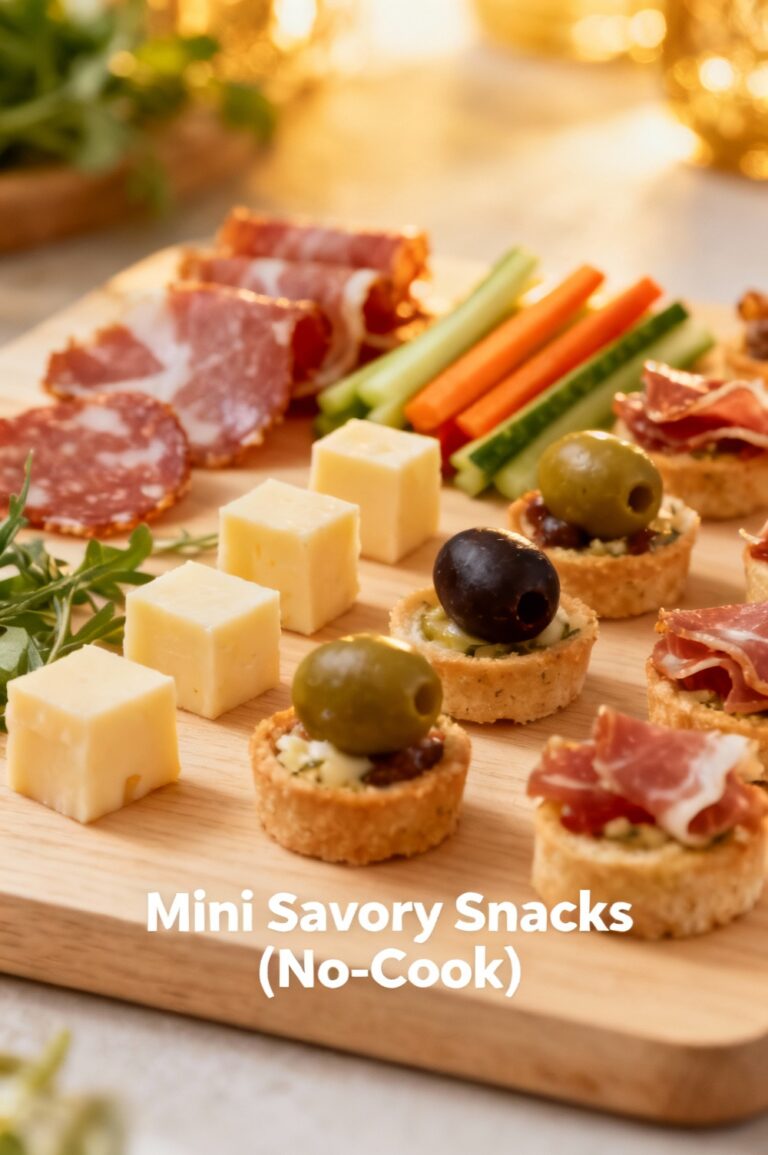
Serve warm or at room temperature as an elegant appetizer for dinner parties, wine nights, or holiday gatherings. Pairing ideas: a dry Riesling or a light Pinot Noir complements the sweet–savory profile; for non-alcoholic pairing try sparkling elderflower or ginger kombucha. Presentation tips: arrange crostini on a wooden board with scattered thyme sprigs and an extra bowl of balsamic reduction for guests to drizzle. For a grazing board, offer small bowls of olives, cured meats, and honey to build a dynamic flavor experience.
Common Mistakes to Avoid
- Overripe pears: avoid fruit that’s too soft—roasting will turn them to mush and make crostini soggy. Ideal firmness: slight give, not squishy.
- Too much liquid on toast: don’t pile pears still dripping from roasting juices onto bread—pat them lightly or roast on a rack to prevent sogginess.
- Strongly flavored goat cheese: if using very tangy or pungent chèvre, reduce added lemon or salty toppings to maintain balance.
- Assembling too early: crostini lose crunch if left assembled for more than 15–20 minutes; keep components separate if prepping ahead.
- Over-roasting nuts: lightly toast nuts for freshness; burned nuts become bitter and dominate the bite.
Storing Tips for the Recipe
Leftover components store best separately: roasted pears in an airtight container in the fridge up to 3 days; goat cheese spread refrigerated up to 4–5 days; toasted bread kept in an airtight bag at room temperature for up to 24 hours (re-crisp in oven at 350°F for 5–7 minutes). For make-ahead entertaining: roast pears and prepare cheese the day before; reheat pears briefly (6–8 minutes at 350°F) to refresh before assembly. Freezing tip: roasted pears can be frozen up to 1 month for later use in purees or compotes, but thawed pears will be softer—best used as a topping rather than fresh crostini slices.
Conclusion
Roasted pear and goat cheese crostini are a fast, flavor-rich appetizer that leverages simple chemistry—caramelization, acid, and fat—to deliver contrast and satisfaction without fuss. With about 35–40 minutes total time and straightforward prep, this recipe is adaptable across diets, easy to scale, and perfect for both casual and formal occasions. Try it tonight, tweak it with the suggested swaps, and share how you served it—photos, pairings, and personal twists are welcome in the comments.
FAQs
Q: Can I make these gluten-free? A: Yes—substitute a gluten-free baguette or use seeded crackers; toasting times may vary so watch for golden crispness.
Q: How ripe should the pears be? A: Aim for ripe-but-firm—give under gentle pressure at the stem but not squishy. Bosc and Comice roast especially well.
Q: Can I prepare components ahead of time? A: Absolutely. Roast pears and make the goat cheese spread up to 2 days ahead; toast bread right before serving to preserve crunch.
Q: Is there a vegan version that still tastes authentic? A: Yes—use cashew-based cheese or a smooth almond ricotta alternative, swap honey for maple, and add a touch of lemon to mimic chèvre brightness.
Q: How do I prevent soggy crostini? A: Toast bread well, pat roasted pears to remove excess juices, and assemble close to serving time. Use a thin smear of cheese as a moisture barrier between pear and bread.
Q: What wine pairs best? A: Try a dry Riesling or a light-bodied Pinot Noir; sparkling wines and cider also complement the sweet–tangy profile well.
Explore related content: try roasted fig and blue cheese crostini for a bolder contrast, or browse our guide to building the perfect grazing board for more pairing and presentation tips.