Glazed Carrots
Introduction
Could a single simple side dish boost your meal's flavor profile while delivering a measurable vitamin A punch—without adding culinary stress? Glazed carrots answer that question more often than you think: quick to make, universally liked, and versatile enough to pivot between weeknight dinners and holiday spreads. Contrary to the belief that glazed vegetables are empty-calorie sugar bombs, a well-balanced glaze enhances natural sweetness, preserves nutrients, and takes less time than many roasted or braised vegetable recipes—making glazed carrots a high-impact, low-effort addition to any menu.
Ingredients List
- 1 lb (450 g) carrots, peeled and cut into 1/2-inch thick coins or baby carrots (substitute: parsnips for a nuttier flavor or sweet potatoes for a heartier side).
- 2 tbsp unsalted butter (swap: 2 tbsp extra-virgin olive oil or 1 tbsp coconut oil for vegan/dairy-free).
- 2 tbsp brown sugar or 1½ tbsp honey or maple syrup (substitute: coconut sugar or sugar-free monk fruit blend for lower glycemic index).
- 2 tbsp water or orange juice (for citrus brightness; use apple juice for a milder flavor).
- 1 tsp kosher salt (adjust to taste).
- 1/4 tsp black pepper.
- 1 tsp lemon zest or 1 tbsp fresh orange juice (optional, for brightness).
- 1 tbsp chopped fresh parsley or thyme for garnish (swap: rosemary for earthier notes).
Sensory notes: choose firm, bright-orange carrots for a crisp bite and vivid color. Using brown sugar gives a molasses depth while honey or maple brings floral notes—pick based on the flavor profile you want to emphasize.
Timing
Prep time: 10 minutes.
Cook time: 12–15 minutes (sauté method) or 25–30 minutes (oven-glazed method).
Total time: 22–25 minutes for stovetop glazed carrots, or ~35–40 minutes for oven method.
Context: the stovetop method is often 30–50% faster than roasting glazed vegetables in the oven and gives better control over glaze viscosity, making it a preferred option for busy weeknights.
Step 1: Choose and prep your carrots
Trim and peel carrots, cutting them consistently to ensure even cooking—1/2-inch coins or baby carrots work best. If carrots vary in size, slice thicker pieces in half lengthwise. Tip: place similarly sized pieces together; carrots cook at different rates if uneven.
Step 2: Blanch (optional) for tender-crisp texture
Bring a pot of salted water to a boil, add carrots for 3–4 minutes, then plunge into ice water to stop cooking. This step reduces final sauté time and preserves bright color. Personalized tip: if you only have 10 minutes, skip blanching and start directly in the pan (slightly longer sautéing compensates).
Step 3: Start the glaze on medium heat
Melt butter (or oil) in a large skillet over medium heat. Add sugar/honey/maple and allow it to dissolve and slightly bubble for 30–60 seconds—do not burn. Add water or juice to loosen the glaze. Actionable trick: watch for foaming; that’s when sugar integrates with fats and will coat carrots evenly.
Step 4: Sauté carrots until glazed
Add carrots, salt, and pepper to the pan. Toss to coat; cook uncovered for 8–12 minutes, stirring every 2 minutes so the glaze reduces evenly and coats each piece. For extra depth, reduce heat in the last 2 minutes and let the glaze thicken to a shiny syrup. Tip: if glaze thickens too fast, add a tablespoon of water at a time—better to loosen than to scorch.
Step 5: Finish with acidity and herbs
Remove from heat and stir in lemon zest or orange juice to cut the sweetness and brighten flavors. Sprinkle chopped parsley, thyme, or a tiny pinch of flaky sea salt. Personalized serving note: add a small pat of butter on top for a gloss and richer mouthfeel, or finish with a drizzle of good olive oil for a Mediterranean spin.
Step 6: Alternative oven-glazed method
Toss carrots with butter/oil, sugar, salt, pepper, and a splash of orange juice in a baking dish. Roast at 400°F (205°C) for 20–25 minutes, turning halfway, until caramelized edges appear. Broil 1–2 minutes for extra color. Use this method when you’re oven-roasting other dishes and want minimal stovetop attention.
Nutritional Information
Estimates below are per 1-cup serving (about 150 g) of stovetop glazed carrots using butter and brown sugar; values are approximate and based on common nutritional databases such as USDA FoodData Central. Calories: ~120–160 kcal. Carbohydrates: ~18–24 g (includes 8–12 g natural sugars). Fiber: ~3–4 g. Protein: ~1–2 g. Fat: ~5–8 g (depending on butter/oil). Vitamin A: very high—carrots are a rich source of beta-carotene (pre-vitamin A), supplying a significant portion of the recommended daily intake. Micronutrients: good source of potassium and small amounts of vitamin C and B vitamins. Data insight: swapping butter for olive oil reduces saturated fat; replacing brown sugar with a low-calorie sweetener lowers total calories by ~20–30% per serving.
Healthier Alternatives for the Recipe
- Lower sugar: Use 1 tbsp maple syrup or honey + 1 tsp lemon juice to preserve flavor while cutting quantities. For calorie control, use a 1:1 sugar substitute suited for cooking (erythritol/monk fruit blends).
- Dairy-free/vegan: Swap butter for extra-virgin olive oil or coconut oil. Olive oil brings antioxidants; coconut oil adds a subtle tropical aroma.
- Lower-carb: Reduce or eliminate added sweetener and finish with a small splash of balsamic vinegar for perception of sweetness without added sugars. Serve smaller portions paired with high-protein mains to balance overall carbs.
- Anti-inflammatory boost: Add a pinch of ground turmeric and black pepper or finish with chopped walnuts for omega-3s.
Serving Suggestions
Serve glazed carrots alongside roasted poultry (roast chicken, turkey), pork tenderloin, seared salmon, or grain bowls for vegetarian plates. Presentation tip: pile carrots on a warm platter and brush residual pan glaze over the top for shine. Pair with a sprig of thyme or a sprinkle of toasted sesame seeds for texture. Personalized pairing: for family dinners, pair with mashed potatoes and a protein; for holiday spreads, mix in roasted baby turnips and parsnips for color variety.
Common Mistakes to Avoid
- Burning the sugar: watch heat closely; sugar burns quickly and creates a bitter taste. Solution: keep medium heat and add a splash of water if browning too fast.
- Uneven cooking: uneven carrot sizes lead to mixed textures. Solution: cut uniform sizes and consider blanching thicker pieces.
- Over-salting: salt intensifies flavors; add gradually and taste.
- Dry glaze: not enough liquid or cooking too long will crystallize the sugar. Solution: stop cooking once glaze coats carrots and has a glossy sheen; it will thicken as it cools.
- Skipping acid at the end: a bright acid (lemon or orange) balances sweetness and prevents cloying flavor.
Storing Tips for the Recipe
Cool glazed carrots to room temperature before refrigerating to avoid condensation. Store in an airtight container for up to 4 days. Reheat gently in a skillet over low-medium heat with a teaspoon of water to loosen the glaze, or microwave in short bursts to avoid overheating and drying. For longer storage, freeze in portioned containers for up to 2 months; texture may soften after freezing—best used in purees or stews if frozen.
Conclusion
Glazed carrots are a deceptively simple side that delivers on flavor, nutrition, and versatility. With a few technique tweaks—uniform cuts, careful glaze control, and a finishing splash of acid—you can transform humble carrots into a glossy, craveable dish suitable for weeknights or special occasions. Try the stovetop method for speed or the oven method for hands-off caramelization, then tell me which glaze (brown sugar, honey, or maple) became your favorite.
FAQs
Q: Can I make glazed carrots ahead of time?
A: Yes—prepare and cool, then refrigerate in an airtight container up to 4 days. Reheat in a skillet with a splash of water to refresh the glaze. Avoid overcooking when reheating to maintain texture.
Q: Are glazed carrots healthy?
A: Glazed carrots provide vitamins, fiber, and antioxidants like beta-carotene. Healthiness depends on glaze choices; using minimal natural sweeteners and healthy oils keeps them nutrient-rich with moderate calories.
Q: What’s the best sweetener for glazed carrots?
A: Brown sugar gives caramel depth; honey adds floral notes; maple offers woody complexity. For lower glycemic impact, reduce amounts or use monk fruit/erythritol blends designed for baking.
Q: Can I freeze glazed carrots?
A: Yes—freeze cooled glazed carrots in airtight containers for up to 2 months. Expect some texture change; use frozen carrots in cooked dishes or purees for best results.
Q: How do I get a shiny glaze without it becoming sticky?
A: Cook the glaze until it coats the carrots and appears glossy, then remove from heat. The glaze will set slightly on cooling—if it gets too thick, stir in a teaspoon of hot water until the desired shine returns.
If you’d like, I can provide a printable recipe card, a lower-sugar version, or a shopping list tailored to your serving size—tell me how many people you’re feeding and any dietary preferences.
Glazed Carrots
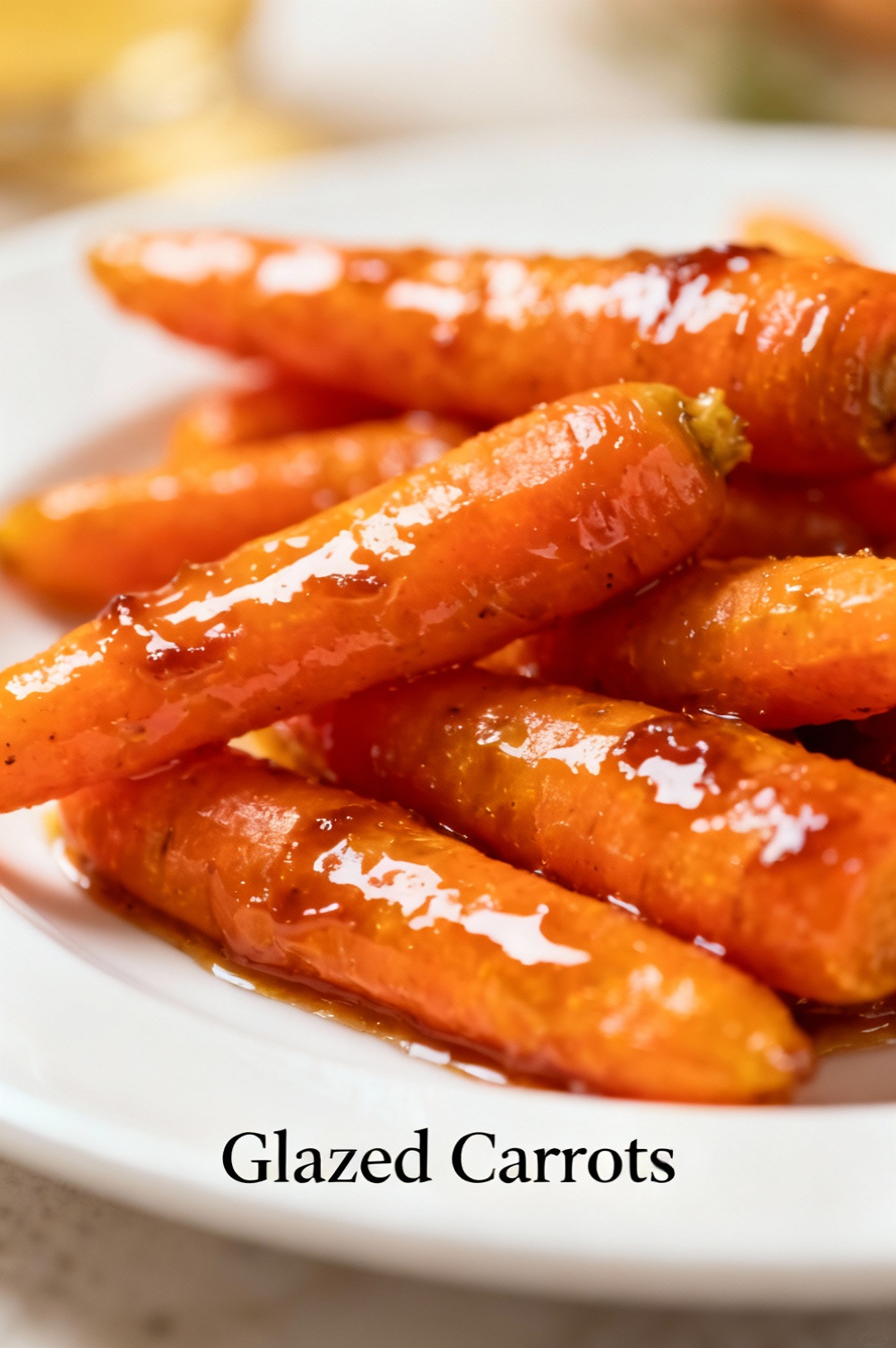
Sweet butter‑glazed carrots finished with a hint of orange and fresh parsley.
Ingredients
- 1 lb (450 g) carrots, peeled and sliced into 1/4-inch rounds (or 12 oz baby carrots)
- 2 tbsp unsalted butter
- 2 tbsp packed brown sugar (or honey)
- 1 tbsp fresh orange juice (or water)
- 1/2 tsp kosher salt
- 1/4 tsp freshly ground black pepper
- 1 tsp orange zest (optional)
- 1 tbsp chopped fresh parsley (optional, for garnish)
Instructions
- Bring a medium saucepan of salted water to a boil. Add the sliced carrots and cook until just tender, about 5–7 minutes. Drain and set aside.
- In the same saucepan over medium heat, melt the butter. Stir in the brown sugar and orange juice until the sugar dissolves and the mixture begins to bubble, about 1–2 minutes.
- Add the drained carrots back to the pan and toss to coat in the glaze. Cook, stirring occasionally, until the glaze thickens and coats the carrots, about 3–4 minutes.
- Season with salt, pepper, and orange zest (if using). Taste and adjust seasoning as needed.
- Transfer to a serving dish and sprinkle with chopped parsley, if desired. Serve warm.
- Make-ahead: Reheat gently in a skillet with a splash of water or orange juice to loosen the glaze before serving.
Nutrition Information
- Calories: 122 kcal
- Cholesterol: 16 mg
- Sodium: 290 mg
- Carbohydrates: 17 g
- Fiber: 3 g
- Sugar: 12 g
- Protein: 1 g