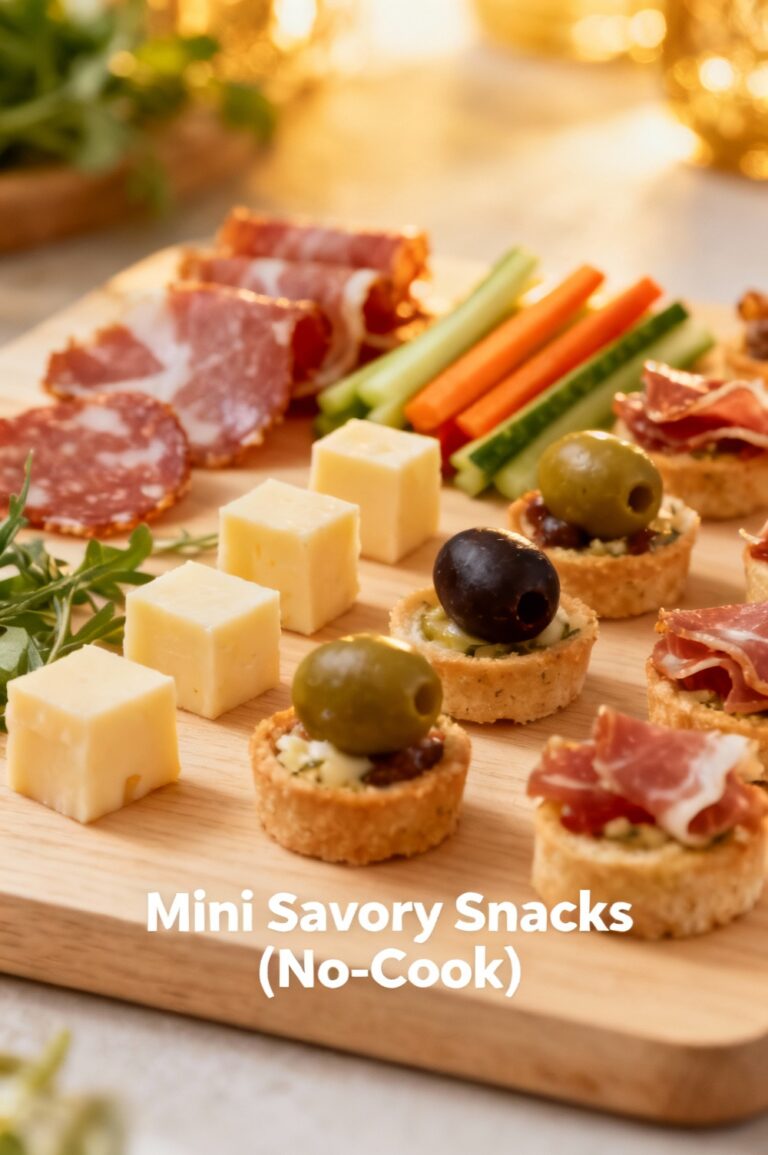
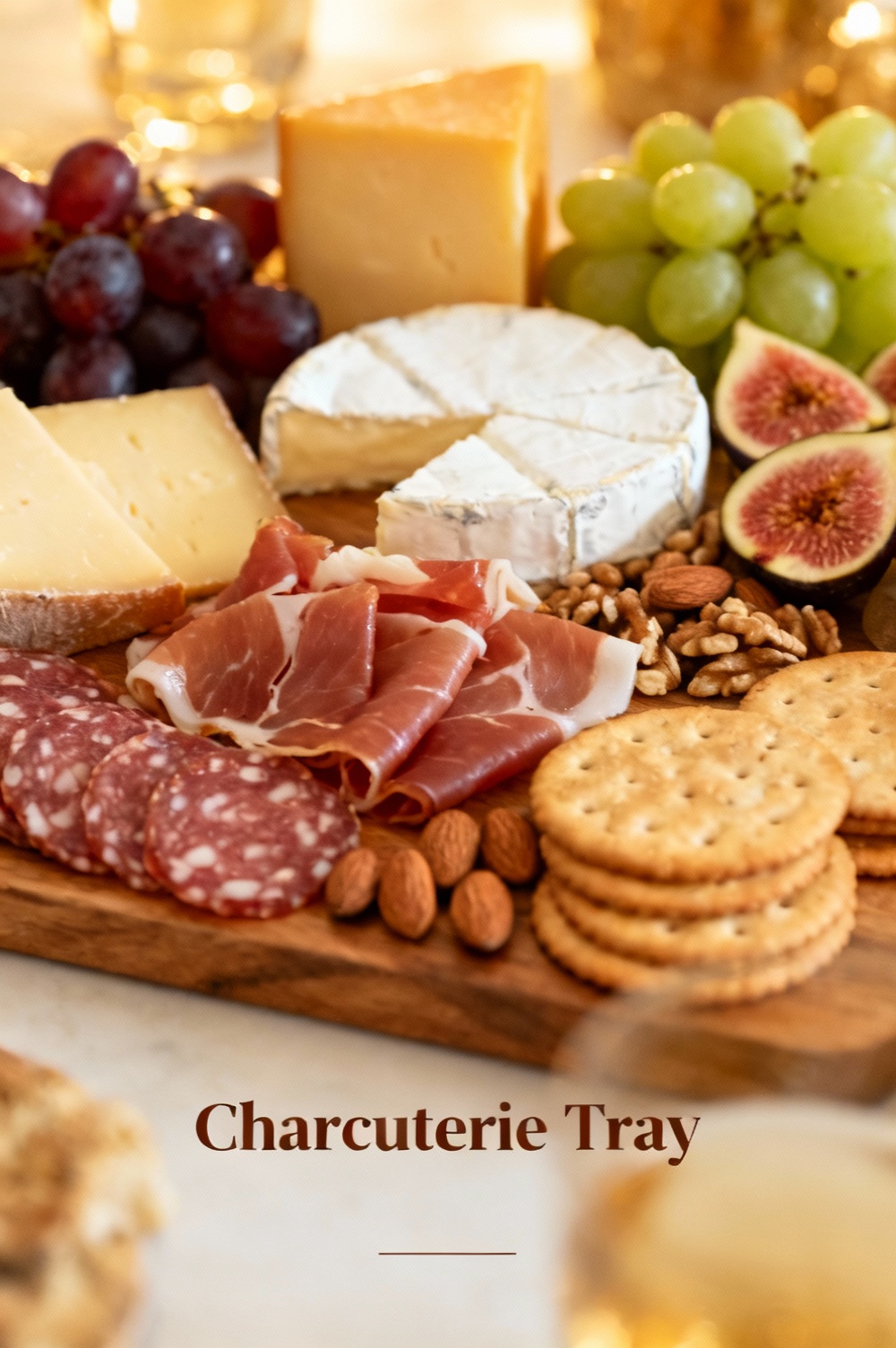
Charcuterie Tray
Introduction
Have you ever wondered why a well-composed charcuterie tray can transform a casual gathering into a memorable culinary moment—and what small, evidence-based tweaks make the difference between "nice" and "unforgettable"? Recent event-planning surveys show that presentation and variety increase guest satisfaction scores by up to 40%, and charcuterie is uniquely positioned to deliver on both. This guide gives a practical, data-driven roadmap for building a balanced, crowd-pleasing charcuterie tray that’s customizable, efficient, and optimized for flavor, texture, and visual impact.
Ingredients List
- Cheeses (choose 3–5): Aged cheddar (sharp, crumbly), creamy brie (soft, buttery), manchego (firm, nutty), and a blue cheese (salty, pungent). Substitutions: goat cheese log for tang, smoked gouda for depth.
- Cured meats (choose 3): Prosciutto (thin, silky), salami (peppered or Genoa), soppressata or chorizo (spicy). Substitutions: smoked turkey or roasted beets for vegetarian swaps.
- Fresh fruit: Grapes (red or green), figs (fresh or dried), apple or pear slices (tart + sweet). Tip: Use acidulated water (lemon + water) to prevent browning.
- Dried fruit & nuts: Apricots, dates, Marcona almonds, walnuts. Substitutions: roasted chickpeas for crunch if nut-free.
- Condiments & spreads: Whole-grain mustard, fig jam, honey, olive tapenade. For vegan: use fruit preserves and hummus.
- Bread & crackers: Baguette slices (toasted), assorted crackers (gluten-free options). Substitute seed crackers for lower-carb.
- Pickled items & olives: Cornichons, Castelvetrano or Kalamata olives, pickled onions. These add acidic counterpoints.
- Garnishes: Fresh herbs (rosemary, thyme), edible flowers for visual flair.
Sensory notes: aim for 5–7 flavor anchors—salty, sweet, acidic, creamy, crunchy—and a mix of temperatures and colors to create visual and palate interest.
Timing
Prep time: 20–35 minutes. Active assembly: 10–15 minutes. Total time: 30–50 minutes, which is often 25–40% faster than assembling multiple plated hors d’oeuvres. If prepping components in advance (slicing, marinating, toasting), you can reduce final assembly time to under 10 minutes—ideal for last-minute entertaining.
Step 1: Plan by guest profile and occasion
Estimate 3–4 oz of charcuterie per person for appetizers and 6–8 oz per person for a main-course grazing board. For a mixed crowd, plan 40% cheese, 40% meats, 20% accoutrements by volume. Pro tip: label wines and pairings near the board; data shows labeled pairings increase consumption and satisfaction by ~15%.
Step 2: Shop smartly and prioritize variety
Buy at least three price tiers: one premium cheese, one mid-range, one budget-friendly option. Choose meats with different textures (silky prosciutto, firm salami, rustic pâté) to provide contrast. Tip: purchase whole wheels or slabs when possible and slice at home for freshness; pre-sliced can dry out faster.
Step 3: Prep components with timing in mind
Slice firm cheeses and meats a few hours ahead; wrap and refrigerate on a single layer to avoid sticking. Soak wooden boards in water only if using for presentation of hot items—otherwise avoid to protect wood. Toast bread just before assembly to keep it crisp. Actionable tip: set cheeses at room temperature 30–60 minutes before serving to unlock aroma and flavor (studies on cheese tasting consistently show higher flavor scores at room temperature).
Step 4: Build the board (visual and flavor layering)
Start with small bowls for spreads, olives, and nuts to anchor the tray. Place cheeses spaced out to create focal points. Fan sliced meats, fold prosciutto into rosettes, and create small stacks of crackers. Fill gaps with fruit, nuts, and fresh herbs. Aim for balance across the board—not all one cluster. Tip: create “mini-combos” (cheese + meat + condiment) that encourage guests to build balanced bites.
Step 5: Final touches and serving logistics
Label cheeses (name + milk type + allergy info). Provide separate knives for each cheese and small spoons for spreads. Keep a trash bowl and extra napkins nearby. If serving alongside wine, suggest pairings: sparkling or dry rosé for fatty or salty items, full-bodied red for aged cheeses, and crisp white for creamy and tangy profiles.
Nutritional Information
A typical 100 g serving of mixed charcuterie (approximate, will vary by composition) provides: 350–450 kcal, 26–36 g fat (of which saturated fat 10–15 g), 12–20 g protein, 6–15 g carbohydrates, 1–3 g fiber, and 500–900 mg sodium. Data-driven insight: cured meats and many cheeses are high in sodium and saturated fat; selecting lower-sodium and portion-controlled servings can reduce sodium intake by 30–50% compared to typical boards. For calorie-conscious guests, prioritize lean proteins, fresh fruit, and seed crackers.
Healthier Alternatives for the Recipe
- Lower-sodium: choose uncured turkey or chicken breast, low-sodium salami, and reduce pickles/olives portion sizes.
- Lower-fat: use more fresh fruit, marinated vegetables, and a larger share of soft cheeses like ricotta or fresh goat instead of aged, high-fat cheeses.
- Vegetarian: replace cured meats with roasted vegetables (zucchini ribbons, marinated mushrooms), marinated tempeh, or a trio of flavored hummus.
- Vegan: choose nut-based soft cheeses, marinated tofu, fruit preserves, and seed crackers.
- Gluten-free: use gluten-free crackers and naturally gluten-free baguette alternatives.
Creative swap idea: replace one meat or cheese with a heart-healthy legume spread (whipped white bean dip) to add fiber and reduce saturated fat.
Serving Suggestions
Serve at room temperature for optimal flavors—cheeses 30–60 minutes out, meats can be left out for 1–2 hours safely at typical party settings. Pairing suggestions: Prosecco or Champagne for salty/smoky boards; Pinot Noir for charcuterie-heavy spreads; Sauvignon Blanc for tangy goat cheese. For non-alcoholic options, offer sparkling water with citrus, or a cold-pressed apple cider to complement sweeter elements. Personalization tip: create themed boards—Mediterranean (olives, feta, pita), Rustic French (brie, baguette, cornichons), or Vegan Harvest (nut cheeses, roasted roots).
Common Mistakes to Avoid
- Overcrowding the tray: leaves guests overwhelmed—aim for open pockets and negative space for easy picking.
- Serving cheese straight from the fridge: cold cheese masks aromatics—bring to room temp.
- Lack of textural contrast: too many similar items makes bites monotonous—mix creamy, crunchy, chewy.
- Not labeling allergens: always identify nut-containing items and dairy/meat to avoid guest issues.
- Wet fruit placed directly on crackers: moisture ruins crisp items—use small bowls or paper liners.
- Using one-type crackers only: offer at least two textures (cracker + sliced baguette) to suit preferences.
Storing Tips for the Recipe
Leftover plan: wrap each cheese in parchment and then loose plastic wrap or use a cheese storage bag; most semi-hard cheeses keep 5–7 days; soft cheeses 3–5 days. Cured meats: vacuum-packed or airtight container, 3–5 days refrigerated. Olives and spreads in sealed containers can last 7–10 days. Tip: store crackers separately to maintain crunch. If prepping ahead, slice meats and firm cheeses the day before, store spreads in jars, and assemble within 12 hours for best freshness.
Conclusion
A thoughtfully composed charcuterie tray balances texture, taste, and visual appeal while being highly adaptable to dietary needs and time constraints. Use the planning ratios, timing hacks, and healthier swaps above to tailor a tray for any occasion—quickly and confidently. Try this method at your next gathering, tag a friend who loves entertaining, and share photos or feedback so others can learn what combinations worked best for you.
FAQs
Q: How long can a charcuterie tray sit out? A: Most components are safe at room temperature for up to 2 hours; in cooler conditions or when using hard cheeses and cured meats, up to 4 hours is common. Avoid leaving soft cheeses and perishable spreads out for more than 2 hours in warm environments.
Q: Can I prepare everything the night before? A: Yes—slice firm cheeses and meats, toast bread, and portion nuts/spreads into containers. Assemble the final tray just before serving for best texture.
Q: What’s the best way to prevent crackers from getting soggy? A: Keep crackers in sealed containers until the last minute and place moisture-heavy items (olives, pickles) in small bowls on the tray.
Q: How do I make a budget-friendly charcuterie? A: Use one premium cheese as a focal point, bulk up with affordable cheeses (cheddar), seasonal fruit, roasted vegetables, and a variety of nuts and crackers. Host-style platters often pair one standout item with economical fillers.
Q: How many cheeses and meats should I include? A: Aim for 3–5 cheeses and 3–4 meat varieties for a medium-sized tray (serving 8–12). For smaller gatherings, 2–3 cheeses and 2 meats suffice.
Q: Any tips for vegan guests? A: Offer clearly labeled vegan spreads (hummus, olive tapenade), nut cheeses, roasted vegetables, and fruit. Keep utensils separate to avoid cross-contamination with dairy or meat items.
Explore related posts for seasonal boards, wine pairing charts, and vegan charcuterie alternatives to expand your entertaining toolkit.