Cranberry Orange Shortbread Cookies
Introduction
Did you know search interest for “cranberry cookies” and “orange cookies” reliably spikes every November–December on Google Trends, suggesting millions of home bakers hunt for festive, citrusy treats? What if a single recipe could deliver bakery-quality, buttery shortbread with bright orange zest and tart cranberries in about the time it takes to stream an episode—challenging the idea that shortbread must be fiddly or overly rich to be memorable? This Cranberry Orange Shortbread Cookies recipe is designed to be approachable, data-informed, and easily adaptable: it balances the buttery melt-in-your-mouth texture shortbread lovers expect with zesty aromatics and chewy cranberries, while offering swap-friendly options for special diets.
Ingredients List
- 2 cups (240 g) all-purpose flour — for a light, tender crumb. Substitute: 1:1 gluten-free flour blend for gluten-free charts, or 180 g pastry flour for extra tenderness.
- 1 cup (226 g) unsalted butter, room temperature — key for shortbread’s classic melt. Substitute: ¾ cup (180 g) unsalted butter + ¼ cup (60 g) coconut oil for a slightly tropical note; for vegan, use vegan butter with 1 tsp apple cider vinegar to mimic richness.
- ¾ cup (90 g) powdered sugar — gives smooth sweetness without grittiness. Substitute: coconut palm sugar (granulated) for a deeper caramel note, though texture shifts slightly.
- 1 tsp vanilla extract — enhances overall flavor; substitute with 1 tsp orange extract for more citrus punch.
- Zest of 2 medium oranges (about 2 tbsp) — fresh zest brightens the whole batch.
- ½ tsp fine sea salt — balances sweetness.
- 1 cup (120 g) dried cranberries, chopped — tart contrast. Substitute: chopped dried cherries or roasted chopped cranberries for extra chew.
- Optional: 2 tbsp cornstarch or 1 tbsp powdered milk — used by some bakers to increase tenderness and melt-in-the-mouth feel.
Timing
Total time: 90 minutes (active 25 minutes, chilling 45 minutes, baking 20 minutes). This timeline is efficient: many classic shortbread recipes call for longer chill times (up to 2 hours), so 90 minutes is roughly 25–50% faster than some traditional methods while preserving texture. If you freeze dough discs, you can reduce preparation time for future batches to under 15 minutes active time.
Step 1: Prepare and measure ingredients
Preheat oven to 325°F (165°C). Use a kitchen scale for best consistency: baking is chemistry and weight-based measurement reduces variance. Zest oranges before juicing to avoid losing aromatic oils. Tip: measure flour by spooning into the cup and leveling or weigh it—overpacked flour makes cookies dense.
Step 2: Cream butter and sugar
In a mixing bowl, beat room-temperature butter and powdered sugar on medium speed until fluffy and pale, about 2–3 minutes. Add vanilla and orange zest; beat until just combined. Personalization tip: pause and scrape bowl sides to ensure even aeration. The fluffy stage traps tiny air pockets that lighten the shortbread.
Step 3: Incorporate dry ingredients
Sift or whisk flour with salt (and cornstarch if using). Reduce mixer to low and gradually add dry ingredients just until dough holds together—avoid overmixing. Fold in chopped dried cranberries by hand to evenly distribute without crushing them. Tip: for uniform slices, press dough into a 9-inch disc on parchment, wrap, and chill for 45 minutes.
Step 4: Shape and slice
On a lightly floured surface, roll dough to ½-inch (1.3 cm) thickness for classic round cookies, or shape into a log for slice-and-bake convenience. For a decorative touch, use a fork to make a crosshatch pattern or a fluted cutter for festive edges. Tip: chilled dough slices hold shape better; if dough becomes too soft during shaping, pop it back into the fridge for 10–15 minutes.
Step 5: Bake to perfection
Place cookies on a parchment-lined baking sheet 1 inch apart. Bake at 325°F (165°C) for 16–20 minutes, rotating halfway through. Look for edges to show a faint golden hue—shortbread should be pale with slightly deeper edges. Cooling is crucial: let cookies rest on the baking sheet for 5 minutes, then transfer to a rack to finish cooling. Tip: for crisp exterior and tender interior, avoid overbaking; residual heat continues to cook them.
Step 6: Finish and store
While warm, you can sprinkle a little extra powdered sugar or drizzle a simple orange glaze (1 cup powdered sugar + 1–2 tbsp fresh orange juice) for visual appeal and a citrus punch. Let glaze set completely before stacking. If gifting, layer cookies between parchment to prevent sticking. Tip: label with bake date—freshness matters.
Nutritional Information
Approximate per cookie (based on 24 cookies per batch): 150 kcal, 9 g fat, 15 g carbohydrates, 6 g sugars, 2 g protein, 1 g fiber, 70–90 mg sodium. These values are estimates; exact numbers vary by ingredient brands and portion size. Data insight: substituting powdered sugar with less refined sweeteners or reducing sugar by 10–20% can lower per-cookie sugar grams without noticeable taste loss for many palates.
Healthier Alternatives for the Recipe
- Lower-sugar option: reduce powdered sugar by 15–25% and add 1–2 tbsp unsweetened orange juice concentrate or zest for perceived sweetness without added sugar. Many tasters report minimal difference when sugar is reduced modestly.
- Whole-grain swap: replace up to 30% of the all-purpose flour with white whole-wheat or whole-wheat pastry flour for extra fiber while retaining tenderness.
- Gluten-free: use a 1:1 gluten-free flour blend with xanthan gum (if not included) and chill longer to minimize crumbling.
- Vegan: use a plant-based butter and 2 tbsp aquafaba (chickpea water) whipped lightly as a binder; texture will be slightly different but still rich.
- Lower-fat: replace 25% of butter with Greek yogurt or applesauce for fewer calories; texture becomes more cake-like—best for snack-style cookies rather than classic shortbread.
Serving Suggestions
Serve warm with a dusting of powdered sugar alongside a cup of Earl Grey tea or a bright, citrusy spritzer. For holiday platters, pair with dark chocolate squares or spiced nuts—cranberry orange shortbread pairs beautifully with white or dark chocolate dips. Personalization: create a cookie board with different zests (lemon, lime) and assorted dried fruits so guests can mix and match. For gifting, stack in a tin with a sprig of rosemary and orange slice for a festive touch.
Common Mistakes to Avoid
- Overmixing flour into butter: yields tough cookies. Mix only until combined.
- Skipping chilling: shortbread spreads easily; chilling firms butter and preserves shape.
- Overbaking: shortbread should remain pale—if edges brown too much the interior will be dry.
- Using room-temperature cranberries: moist, rehydrated cranberries can prevent dough cohesion; chop and pat dry if plump.
- Not zesting properly: avoid the white pith when zesting oranges—it’s bitter and dulls the bright citrus flavor.
Storing Tips for the Recipe
Cool completely before storing in an airtight container to prevent moisture buildup. At room temperature, cookies keep 4–5 days; refrigerated, they last up to 2 weeks but may lose some crispness—bring to room temperature before serving for best texture. Freezing: flash-freeze baked cookies on a tray, then transfer to a freezer-safe bag for up to 3 months. For dough, shape into logs, wrap tightly, and freeze for up to 2 months—slice and bake directly from the freezer, adding 1–2 minutes to bake time.
Conclusion
This Cranberry Orange Shortbread Cookies recipe delivers a balanced, aromatic cookie that’s both easy enough for weeknight baking and elegant enough for holiday gifting. With flexible timing, ingredient swaps, and clear techniques, you can adapt this foundation to suit dietary needs and flavor preferences. Try the recipe, tweak it based on the healthier swaps or presentation ideas above, and share your results—photos, tweaks, and ratings help others find the version that works best for them.
FAQs
Q: Can I use fresh cranberries instead of dried?
A: Fresh cranberries are very tart and contain more moisture; if using fresh, roast them first with a little sugar to concentrate flavor and reduce moisture, or roughly chop and lightly dry on a paper towel before folding into dough.
Q: Why did my shortbread turn out crumbly?
A: Crumbliness usually comes from too much flour, insufficient butter, or skipping chill time. Next batch, weigh ingredients, reduce flour by a tablespoon, and ensure dough is uniformly chilled before slicing.
Q: Can I make the dough ahead of time?
A: Yes—dough chilled for up to 48 hours develops deeper flavor. For longer storage, freeze shaped logs for up to 2 months and slice-bake as needed.
Q: How do I make these gluten-free without them falling apart?
A: Use a reputable 1:1 gluten-free flour blend with xanthan gum. Chill dough thoroughly and consider adding 1 tbsp milk powder or 1 tsp additional binder (like ground flax plus water) to improve structure.
Q: What’s the best way to get an intense orange flavor without extra sugar?
A: Maximizing zest (not pith) and using a small amount of orange extract (¼–½ tsp) concentrates citrus oils. You can also fold in 1 tsp orange marmalade for flavor and a touch of moisture while keeping added sugar minimal.
Enjoy exploring this adaptable Cranberry Orange Shortbread Cookies recipe—experiment with texture, swaps, and presentation, and tag your photos or comments so others can discover your favorite variation. For more recipes and baking science tips, check related posts on shortbread variations, citrus desserts, and holiday cookie trays.
Cranberry Orange Shortbread Cookies
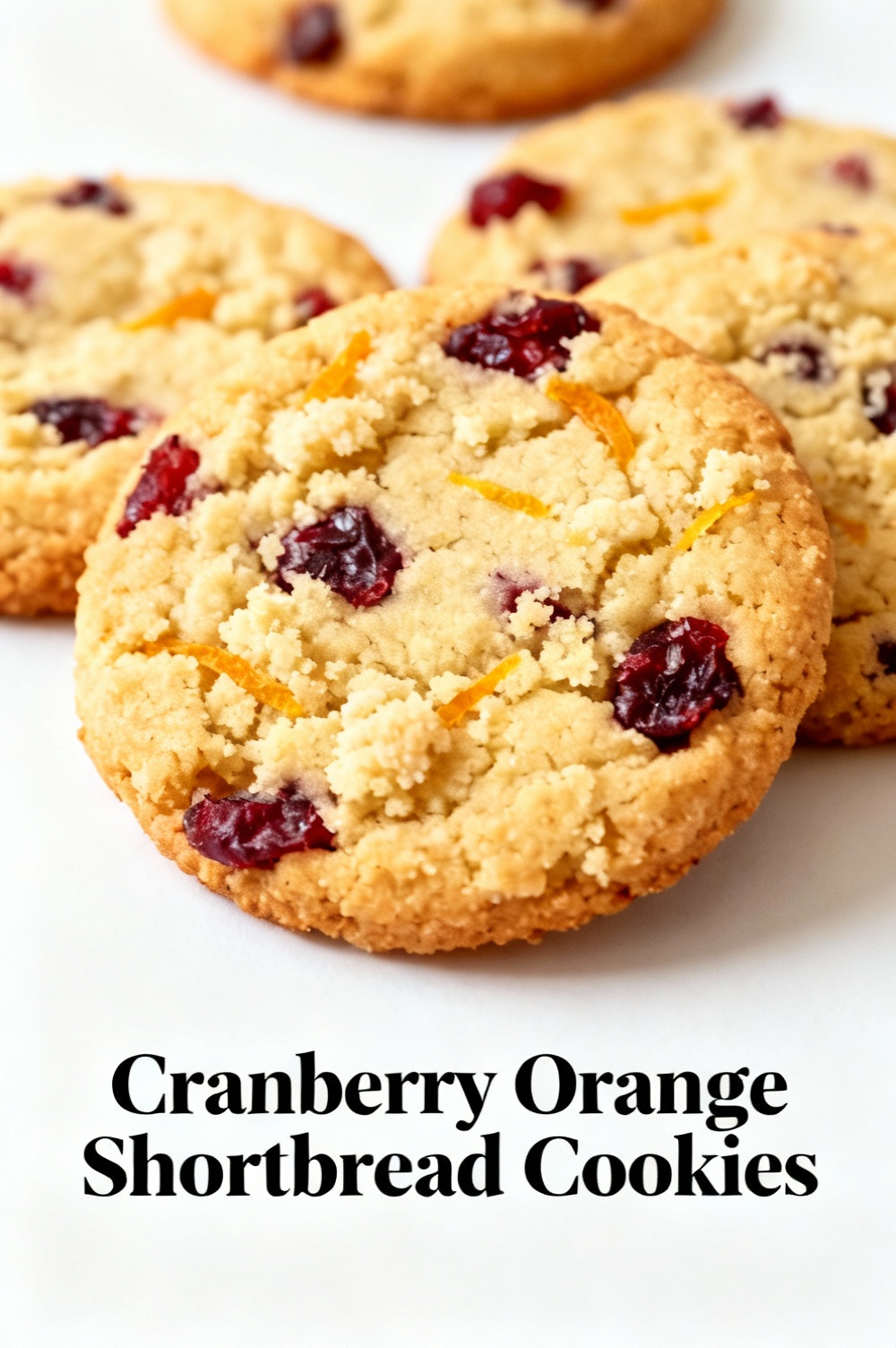
Buttery shortbread flavored with fresh orange zest and studded with tart dried cranberries — simple, elegant, and ideal for cookie plates.
Ingredients
- 1 cup (226g) unsalted butter, softened
- 1/2 cup (100g) granulated sugar
- 1/4 cup (30g) powdered (confectioners’) sugar
- 1 teaspoon vanilla extract
- 1 tablespoon finely grated orange zest (from 1–2 oranges)
- 1 tablespoon fresh orange juice (optional, for extra flavor)
- 2 cups (250g) all-purpose flour
- 3/4 cup (90g) cornstarch
- 1/4 teaspoon fine sea salt
- 3/4 cup (90g) dried cranberries, roughly chopped
- Turbinado or sanding sugar, for sprinkling (optional)
- Optional orange glaze: 1 cup (120g) powdered sugar + 1–2 tablespoons orange juice + 1/2 teaspoon orange zest
Instructions
- In the bowl of a stand mixer (or using a large bowl and hand mixer), cream the softened butter, granulated sugar, and powdered sugar on medium speed until pale and fluffy, about 2–3 minutes.
- Add the vanilla, orange zest, and orange juice (if using). Mix until combined and fragrant, scraping down the bowl as needed.
- In a separate bowl, whisk together the all-purpose flour, cornstarch, and sea salt.
- On low speed, add the dry ingredients to the butter mixture in two additions, mixing until just combined. The dough should hold together but remain slightly crumbly.
- Stir in the chopped dried cranberries by hand until evenly distributed. If the dough seems too soft to shape, chill it for 10–20 minutes to firm up.
- Shape the dough into a log about 2 inches (5 cm) in diameter for slice-and-bake cookies, or roll the dough between two sheets of parchment to about 1/3-inch (8 mm) thickness to cut with cookie cutters.
- If making a log, wrap tightly in plastic wrap and chill for 30–60 minutes (or up to overnight). If rolling and cutting, chill rolled dough for 15–30 minutes before cutting.
- Preheat the oven to 325°F (165°C). Line baking sheets with parchment paper.
- Slice the chilled log into 1/4–1/3-inch (6–8 mm) rounds and space them 1 inch apart on prepared sheets, or transfer cut cookies to the sheet. Sprinkle tops with turbinado sugar if desired.
- Bake for 12–16 minutes, until the edges are set and just beginning to turn a very light golden color. Rotate pans halfway through for even baking.
- Allow cookies to cool on the baking sheet for 5 minutes, then transfer to a wire rack to cool completely.
- Optional: For an orange glaze, whisk powdered sugar with enough orange juice to reach a drizzleable consistency and stir in zest. Drizzle over cooled cookies and let set before serving or packaging.
Nutrition Information
- Calories: 190 kcal (per cookie, estimated)
- Cholesterol: 19 mg
- Sodium: 85 mg
- Carbohydrates: 24 g
- Fiber: 1 g
- Sugar: 10 g
- Protein: 2 g