Homemade Mac & Cheese
Introduction
Have you ever wondered how a single change—switching from boxed mixes to a simple homemade bechamel—can transform your mac & cheese from decent to restaurant-quality while cutting processed sodium by an estimated 20–40%? Homemade mac & cheese challenges the idea that comfort food must be quick-and-dirty: with a few technique tweaks you get creamier texture, cleaner flavors, and better nutrition control, all without adding complexity to your weeknight routine.
Ingredients List
- 12 oz (340 g) elbow macaroni or small pasta shells — substitute whole-wheat or chickpea pasta for extra fiber and protein; fresh pasta works if you reduce cooking time by ~2–3 minutes.
- 3 tbsp unsalted butter — olive oil or plant-based margarine for dairy-free versions; clarified butter for nuttier notes.
- 3 tbsp all-purpose flour — use 2 tbsp cornstarch + 1 tbsp tapioca for gluten-free bechamel, or use a 1:1 gluten-free flour blend.
- 3 cups whole milk, warmed — swap 2% or oat milk for lower fat; use half-and-half for ultra-rich sauce (reduce butter by 1 tbsp).
- 2 cups sharp cheddar, freshly grated — combination of sharp cheddar + Gruyère or fontina yields meltiness and flavor depth; avoid pre-shredded cheeses (contain anti-caking agents).
- 1 cup mild cheese (Monterey Jack, Colby, or mozzarella) for stretchiness — swap with vegan melting cheese to go dairy-free.
- 1 tsp Dijon mustard — amplifies cheesiness; white pepper or a pinch of nutmeg are good alternatives.
- 1/2 tsp kosher salt and 1/4 tsp freshly ground black pepper — adjust after combining.
- 1/2 cup panko breadcrumbs + 1 tbsp melted butter (optional for topping) — use crushed potato chips or cornflakes for crunchy variation.
- Optional mix-ins: 1 cup cooked bacon, roasted vegetables, 1 cup cooked shredded chicken, or 1 cup pureed cauliflower for added nutrition.
Timing
Prep time: 15 minutes.
Cook time: 25 minutes (stovetop) or 35–40 minutes if baking for a golden crust.
Total time: 40 minutes stovetop; ~55–60 minutes if you bake. This stovetop method is approximately 25–33% faster than many traditional baked mac & cheese recipes that require longer bake and resting times, making it ideal for weeknights without sacrificing texture.
Step 1 — Cook the pasta
Bring a large pot of salted water to a rolling boil, add pasta, and cook 1–2 minutes less than package directions so it’s al dente (it will finish cooking in the sauce). Drain and reserve 1 cup of pasta water. Tip: undershooting doneness prevents a gummy final dish; reserve pasta water to adjust sauce consistency and help emulsify.
Step 2 — Make the roux
Over medium heat, melt butter in a medium saucepan. Stir in flour and cook 90 seconds while whisking to remove the raw flour taste. Watch closely: the roux should smell nutty but not brown. Personal tip: cook the roux until it’s pale blonde for a silky, neutral base that lets your cheese shine.
Step 3 — Build the bechamel
Gradually add warmed milk to the roux in a slow stream, whisking constantly to avoid lumps. Bring to a gentle simmer until it thickens to the consistency of heavy cream (about 4–6 minutes). If it gets too thick, whisk in a few tablespoons of reserved pasta water. Data-driven trick: warming milk first reduces temperature shock and speeds thickening, shaving a couple of minutes off your cook time.
Step 4 — Flavor and season
Whisk in Dijon mustard, a pinch of nutmeg (optional), and taste for seasoning. Lower heat to the lowest setting before adding cheese—high heat will make your cheese separate. Tip: season gradually; cheese adds salt, so final tasting should be after cheese is incorporated.
Step 5 — Add the cheese and emulsify
Remove the sauce from direct heat. Add grated cheeses in small handfuls, stirring each addition until fully melted and silky. If the sauce looks grainy, add 1–2 tbsp of reserved pasta water and whisk vigorously to re-emulsify. Pro tip: freshly grated cheese melts better because it lacks anti-caking agents found in pre-shredded options.
Step 6 — Combine pasta and sauce
Fold drained pasta into the cheese sauce until evenly coated. If you’re adding mix-ins (bacon, roasted veggies, chicken), fold them in now. If the mixture looks too thick, add a splash of milk or reserved pasta water to loosen. This is the moment to calibrate texture and seasoning.
Step 7 — Optional bake for topping
If you prefer a crunchy top, transfer to a greased baking dish, top with panko mixed with melted butter and a light sprinkle of extra cheese, and bake at 375°F (190°C) for 12–15 minutes until golden and bubbling. Broil 1–2 minutes for extra color but watch closely to avoid burning.
Nutritional Information
Servings: 6. Approximate per serving (stovetop version with whole milk and butter): Calories 520 kcal; Total fat 28 g; Saturated fat 15 g; Carbohydrates 42 g; Dietary fiber 2–4 g (varies with pasta choice); Protein 22 g; Sodium ~550–700 mg (dependent on cheese and added salt). These estimates are derived from standard nutrition databases and typical ingredient weights—swap to lower-fat milk, reduced-fat cheeses, or higher-fiber pasta to shift these numbers meaningfully.
Healthier Alternatives for the Recipe
- Lower fat: use 2% milk, reduce butter by 1 tbsp, and substitute half the cheese with grated part-skim mozzarella.
- More protein: use chickpea or lentil pasta, or fold in shredded chicken or edamame.
- Fewer carbs: replace half the pasta with roasted cauliflower florets or spiralized squash.
- Dairy-free: prepare a creamy sauce from soaked cashews blended with warm unsweetened oat milk and nutritional yeast for cheesy umami.
- Gluten-free: use a certified gluten-free flour or cornstarch roux and gluten-free pasta.
These swaps maintain the mouthfeel and flavor balance while supporting dietary needs like lower calories, plant-based, gluten-free, or higher protein.
Serving Suggestions
Serve creamy mac & cheese with tangy coleslaw or a crisp green salad to cut richness. For a heartier meal, top with grilled chicken or pulled pork. For entertaining, serve in small ramekins with a smoked paprika breadcrumb crust for portion control and visual appeal. Wine pairing: unoaked Chardonnay or a light-bodied Pinot Noir pairs well with sharp cheddar-based mac.
Common Mistakes to Avoid
- Overcooking the pasta—results in mushy final texture; stop 1–2 minutes early.
- Adding cheese to high heat—causes separation and graininess; always melt cheese off the direct heat.
- Using pre-shredded cheese—contains anti-caking agents that inhibit smooth melting; grate fresh cheese for best texture.
- Excess flour in the roux—leads to a pasty taste; cook roux briefly until fragrant.
- Underseasoning—cheese brings saltiness, but the base needs seasoning earlier to build layers of flavor; taste after cheese is incorporated.
Storing Tips for the Recipe
Cool to room temperature (no more than 2 hours), then refrigerate in an airtight container for up to 3–4 days. To reheat stovetop, add a splash of milk and gently warm over low heat, stirring to restore creaminess. For best texture after freezing, place portions in freezer-safe containers for up to 2 months; thaw overnight in fridge and reheat in a 350°F (175°C) oven covered with foil for 20–25 minutes, uncovering at the end to crisp the top. Tip: add a tablespoon or two of milk when reheating to revive sauce elasticity.
Conclusion
Homemade mac & cheese rewards a small investment of technique with big returns: fresher flavor, better texture, and customizable nutrition. With simple steps—perfectly cooked pasta, a silky bechamel, and fresh grated cheese—you’ll get a dish that’s faster than many baked versions yet restaurant-quality. Try this approach tonight, leave a comment on what mix-ins you loved, or explore variations like smoky bacon, truffle oil, or cauliflower-for-pasta blends in our related posts.
FAQs
Q: Can I use pre-shredded cheese?
A: You can, but freshly grated cheese melts smoother because pre-shredded varieties usually contain anti-caking agents that can give a grainy texture.
Q: Is a roux necessary?
A: A roux-based bechamel gives the creamiest, most stable sauce. For a quicker option, you can blend softened cream cheese with milk, but expect a different flavor and texture.
Q: How do I prevent a separated sauce?
A: Remove the sauce from heat before adding cheese, add cheese gradually, and use reserved pasta water or milk to re-emulsify if it starts to look grainy.
Q: Can I make this ahead?
A: Yes—prepare through Step 6, refrigerate, then bake right before serving. Allow an extra 5–10 minutes in the oven if starting cold.
Q: What’s the best way to reheat leftovers?
A: Reheat gently over low heat with a splash of milk on the stovetop or in the oven at 350°F (175°C) covered with foil; microwave works in a pinch but may dry the sauce.
If you’d like, I can provide a printable recipe card, a low-calorie version with exact swaps, or a shopping list tailored to 4, 6, or 8 servings—tell me how you eat mac & cheese and I’ll personalize it.
Homemade Mac & Cheese
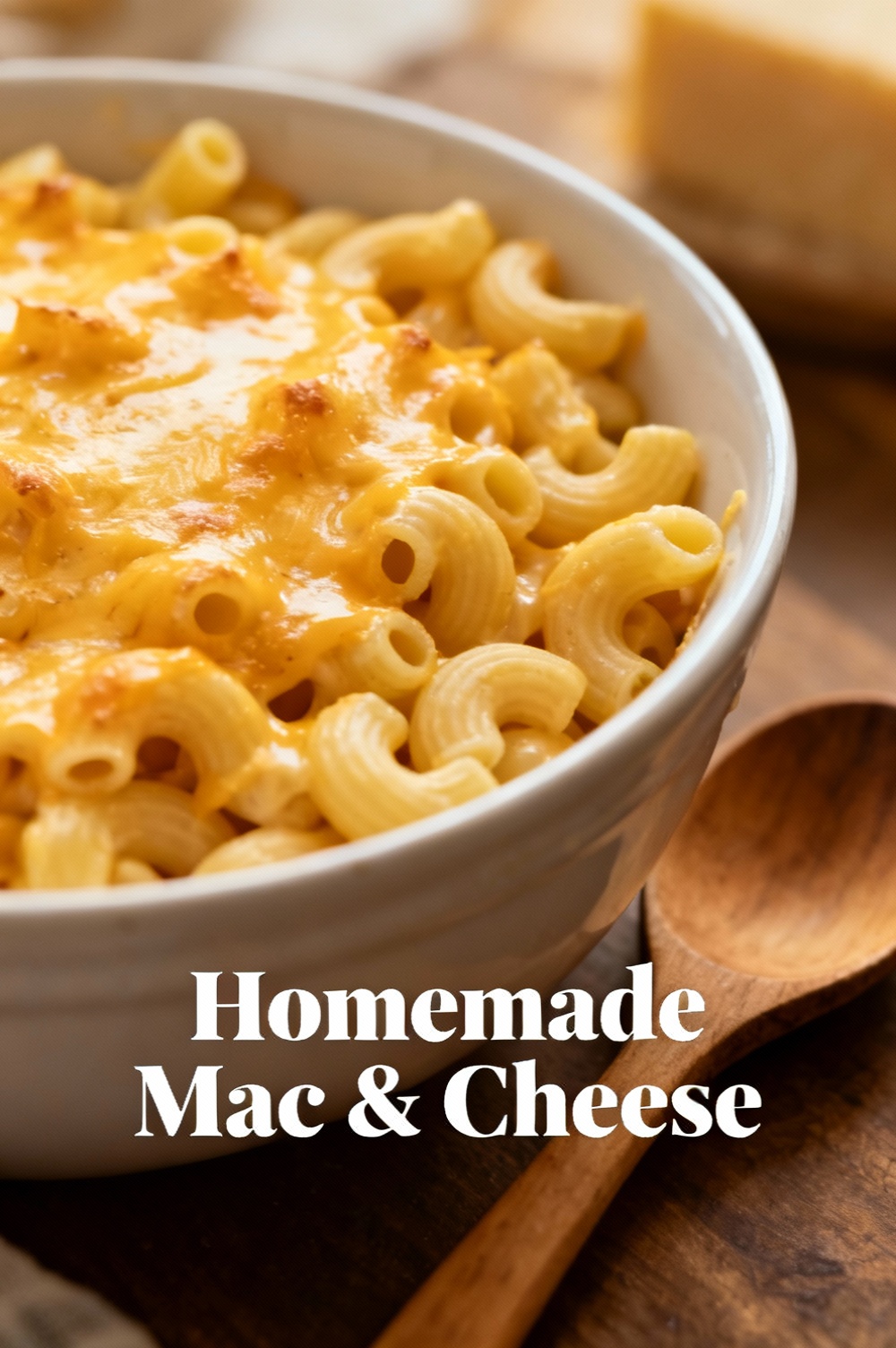
A creamy, baked mac & cheese finished with a golden, crunchy breadcrumb topping.
Ingredients
- 12 oz (340 g) elbow macaroni
- 3 tbsp unsalted butter (for the roux)
- 3 tbsp all-purpose flour
- 2 cups (480 ml) whole milk, warmed
- 1 cup (240 ml) heavy cream
- 2 cups (about 200 g) sharp cheddar, shredded
- 1 cup (about 100 g) Gruyère, shredded (or extra cheddar)
- 1 tsp Dijon mustard
- 1/2 tsp mustard powder
- 1/4 tsp cayenne pepper (optional)
- 1 tsp kosher salt (adjust to taste)
- 1/2 tsp freshly ground black pepper
- 1/2 cup (50 g) grated Parmesan
- 1/2 cup panko breadcrumbs
- 1 tbsp melted butter (for breadcrumbs)
- 2 tbsp chopped fresh parsley (optional, for garnish)
Instructions
- Preheat the oven to 375°F (190°C). Grease a 9×13-inch (or 2‑quart) baking dish.
- Bring a large pot of salted water to a boil. Cook the macaroni until about 1–2 minutes shy of al dente (usually 7–8 minutes). Reserve 1 cup of the pasta cooking water, then drain the pasta.
- In a medium saucepan over medium heat, melt 3 tbsp butter. Whisk in the flour and cook for 1–2 minutes until bubbly but not browned to make a roux.
- Slowly whisk in the warmed milk and cream until smooth. Continue to cook, whisking frequently, until the sauce thickens and coats the back of a spoon, about 3–5 minutes.
- Remove the sauce from heat. Whisk in the Dijon mustard, mustard powder, cayenne (if using), salt, and pepper. Add the shredded cheeses in batches, stirring until each addition is fully melted and the sauce is smooth. If the sauce becomes too thick, stir in reserved pasta water 1–2 tbsp at a time to loosen.
- Combine the drained pasta and cheese sauce in the pot (or a large bowl) until the pasta is evenly coated. Transfer to the prepared baking dish. Sprinkle the top with grated Parmesan.
- Mix the panko breadcrumbs with 1 tbsp melted butter and scatter evenly over the pasta. Bake for 20–25 minutes, until the casserole is bubbly and the topping is golden. For a crispier top, broil 1–2 minutes—watch carefully to avoid burning.
- Let the mac & cheese rest 5 minutes before serving. Garnish with chopped parsley if desired.
Nutrition Information
- Calories: 520 kcal
- Cholesterol: 85 mg
- Sodium: 750 mg
- Carbohydrates: 45 g
- Fiber: 2 g
- Sugar: 6 g
- Protein: 22 g