Melting Potatoes
Could a single skillet of melting potatoes deliver restaurant-quality, melt-in-your-mouth texture in about 60 minutes — 30% faster than classic gratins?
Melting potatoes are a deceptively simple dish that turns humble spuds into a silky, cheesy, and herb-scented side that consistently outperforms expectations. This introduction quickly answers the efficiency question: using parboil + hot oven finish + a gentle cream-cheese bath reduces total hands-on cooking time while keeping flavor intensity high. Below you'll find a data-informed recipe, substitution options, and practical tips so you can make reliably perfect melting potatoes every time.
Ingredients List
- 2 pounds (900 g) small waxy potatoes (Yukon Gold or baby new potatoes work best) — Yukon Golds melt and caramelize nicely; Russets can fall apart but give fluffier texture.
- 3 tablespoons unsalted butter, plus 2 tablespoons for dotting (substitute olive oil for dairy-free).
- 1/2 cup heavy cream or crème fraîche (for lighter option use 3/4 cup whole milk + 1 tsp cornstarch).
- 1 cup grated Gruyère or sharp cheddar (use smoked mozzarella for a different profile; vegan cheese works, but texture varies).
- 2 cloves garlic, minced (roasted garlic for a sweeter result).
- 1 teaspoon sea salt, plus extra to taste.
- 1/2 teaspoon freshly ground black pepper.
- 1 tablespoon fresh thyme leaves (or 1 tsp dried).
- 2 tablespoons chopped chives or parsley for finishing.
- Optional: 1/4 cup grated Parmesan for topping, 2 tsp Dijon mustard mixed into cream for tang.
Substitutions and sensory notes: Waxies retain shape and develop a glossy exterior; cream adds silkiness while mustard or Parmesan adds umami and depth. For vegan, swap cream with full-fat coconut milk (mild flavor) or cashew cream and use a plant-based cheese designed for melting.
Timing
Preparation time: 15 minutes.Parboil time: 12–15 minutes.Braise and bake time: 25–30 minutes.Total active time: about 40 minutes.Total time: ~55–60 minutes, which is roughly 30% faster than a traditional au gratin method (often 80–90 minutes with thin-sliced potatoes and slow baking).Shortcuts that save time: parboiling halves the oven time and ensures a tender interior before the cheese and butter form the "melting" crust.
Step 1: Pick and prep the potatoes
Wash and scrub potatoes; halve or keep baby potatoes whole if under 1.5 inches. If you prefer more surface area for crisping, quarter larger Yukon Golds. Tip: For fastest, most even cooking, cut potatoes to uniform size — consistency equals predictability.
Step 2: Parboil for consistent tenderness
Place potatoes in cold salted water, bring to a boil, and simmer 12–15 minutes until fork-tender but not falling apart. Drain thoroughly. Data-based insight: parboiling reduces oven bake time by roughly 60% while improving internal moisture retention versus straight roasting.
Step 3: Flavor base and assembly
While potatoes drain, melt 3 tbsp butter in an ovenproof skillet over medium heat, add garlic and thyme and sauté 30–60 seconds until aromatic. Stir in cream (or milk + cornstarch) and simmer 1–2 minutes until slightly thickened. Reduce heat, add grated cheese off the heat and stir to create a silky sauce. Add Dijon if using. Tip: remove skillet from direct heat when adding cheese to avoid grainy separation.
Step 4: Arrange and finish for maximum melting
Nestle parboiled potatoes cut-side down into the cheese sauce, dot with remaining butter, season with salt and pepper, and sprinkle Parmesan on top if using. Place skillet in a preheated oven at 425°F (220°C) and bake 20–25 minutes until edges are bubbling and tops develop golden blisters. For extra browning, finish with a 1–2 minute broil; watch closely. Personalization: for a smoky finish, broil longer to create crispy, almost caramelized edges on cut potato faces.
Step 5: Rest and garnish
Remove from oven, let rest 5 minutes to set the sauce slightly, then scatter chives or parsley. Serve straight from skillet for rustic presentation. Tip: resting concentrates flavors and makes spooning the sauce easier.
Nutritional Information
Estimated per serving (recipe yields 4 servings; values approximate, based on USDA composite data): Calories: ~480 kcal; Fat: ~28 g (Saturated fat: ~15 g); Carbohydrates: ~45 g; Protein: ~14 g; Fiber: ~4 g; Sodium: ~650–850 mg (varies with cheese/salt); Potassium: ~900 mg; Vitamin C: ~20% DV per serving (from potatoes). Data insight: swapping heavy cream for whole milk cuts calories by ~20–25% and saturated fat by a similar margin; using reduced-fat cheese lowers sodium and saturated fat but can affect texture. These figures are estimates — use a nutrition calculator with your exact ingredients for precision.
Healthier Alternatives for the Recipe
- Lower-fat: Replace heavy cream with 3/4 cup whole milk + 1 tbsp Greek yogurt whisked in after cooking to preserve creaminess while reducing calories and saturated fat. Add extra cheese sparingly for flavor.
- Lower-sodium: Use a low-sodium cheese or reduce added salt by half and boost herbs (lemon zest, mustard) to preserve perceived saltiness.
- Plant-based: Use cashew cream (soak 1 cup cashews, blend with 1/2 cup water), vegan melting cheese, and olive oil instead of butter. Add nutritional yeast for savory, umami lift.
- High-protein: Stir in 1/2 cup cottage cheese or ricotta (if dairy) before baking, or top with a spoonful of Greek yogurt when serving to increase protein without losing creaminess.
- Gluten-free and nightshade-aware: Potatoes are nightshades; for alternatives try parsnip-and-celeriac mix for a similar texture (adjust parboil timing).
Serving Suggestions
Serve melting potatoes as a centerpiece side with roasted chicken, pan-seared salmon, or a smoky grilled steak. For vegetarian menus, pair with a lemony arugula salad and roasted mushrooms. Make it brunch-worthy by topping with a poached egg and a drizzle of hot sauce. For sharing, present the skillet on a wooden board and place crusty bread nearby to mop up the sauce. Personal tip: squeeze a little lemon over finished potatoes to brighten and cut through richness.
Common Mistakes to Avoid
- Overboiling: Do not let potatoes fall apart during parboil. Aim for slightly firm tenderness so they hold shape during baking.
- Adding cheese to high heat: Melting cheese on high heat can separate fats and proteins; remove pan from direct flame and let residual heat melt it gently.
- Skipping the rest: Serving immediately can make sauce runny; 5 minutes’ rest improves texture and sets flavors.
- Using the wrong potato: Flaky Russets can disintegrate; stick to waxy or all-purpose potatoes for best results.
- Underseasoning: Potatoes need more salt than you might expect; season both the parboil water and the sauce to build depth.
Storing Tips for the Recipe
Cool completely, then store in an airtight container in the refrigerator for up to 3–4 days. Reheat in a 350°F (175°C) oven for 12–15 minutes until warmed through and bubbly to restore texture; avoid microwave reheating if you want to preserve crisp edges. To freeze: assemble but do not bake, wrap tightly and freeze up to 2 months; thaw overnight in fridge and bake as directed, adding 5–10 minutes to initial bake time.
Conclusion
Melting potatoes offer an accessible, high-impact way to elevate a meal with modest effort and predictable results. The parboil-plus-skillet technique shortens cook time by about 30% compared with traditional long-bake gratins, while the cream-cheese-herb combination delivers rich, crowd-pleasing flavor. Try the recipe, experiment with the healthier swaps suggested, and leave a comment about how you personalized yours — or share a photo to inspire other readers.
FAQs
Q: Can I make this ahead of time and bake later?
A: Yes — parboil and assemble in the skillet, cover tightly, refrigerate up to 24 hours, then bake 25–30 minutes (add a few extra minutes if cold from fridge).
Q: What cheese melts best for this dish?
A: Gruyère and young cheddar melt smoothly and offer great flavor; fontina and smoked mozzarella are also excellent. Avoid hard aged cheeses as the main melting cheese; use them for finishing.
Q: How can I prevent the dish from becoming too greasy?
A: Drain parboiled potatoes well to avoid excess water mixing with fats. Use moderate butter/cream quantities and choose lower-fat dairy if needed. A brief rest after baking lets excess oil settle.
Q: Is there a dairy-free version that still tastes rich?
A: Yes — cashew cream or blended silken tofu plus nutritional yeast and a good melting vegan cheese create a satisfying, creamy result. Add a touch of kala namak (if available) for eggy, savory notes.
Q: Can I scale this recipe for a crowd?
A: Multiply ingredients proportionally and use a larger ovenproof dish; increase baking time by 10–15 minutes if volume is much greater. Rotate dish once during baking for even browning.
Try a small test batch with one substitution (e.g., Greek yogurt for half the cream) to see which healthy tweaks you prefer, then scale up confidently for dinner guests.
Melting Potatoes
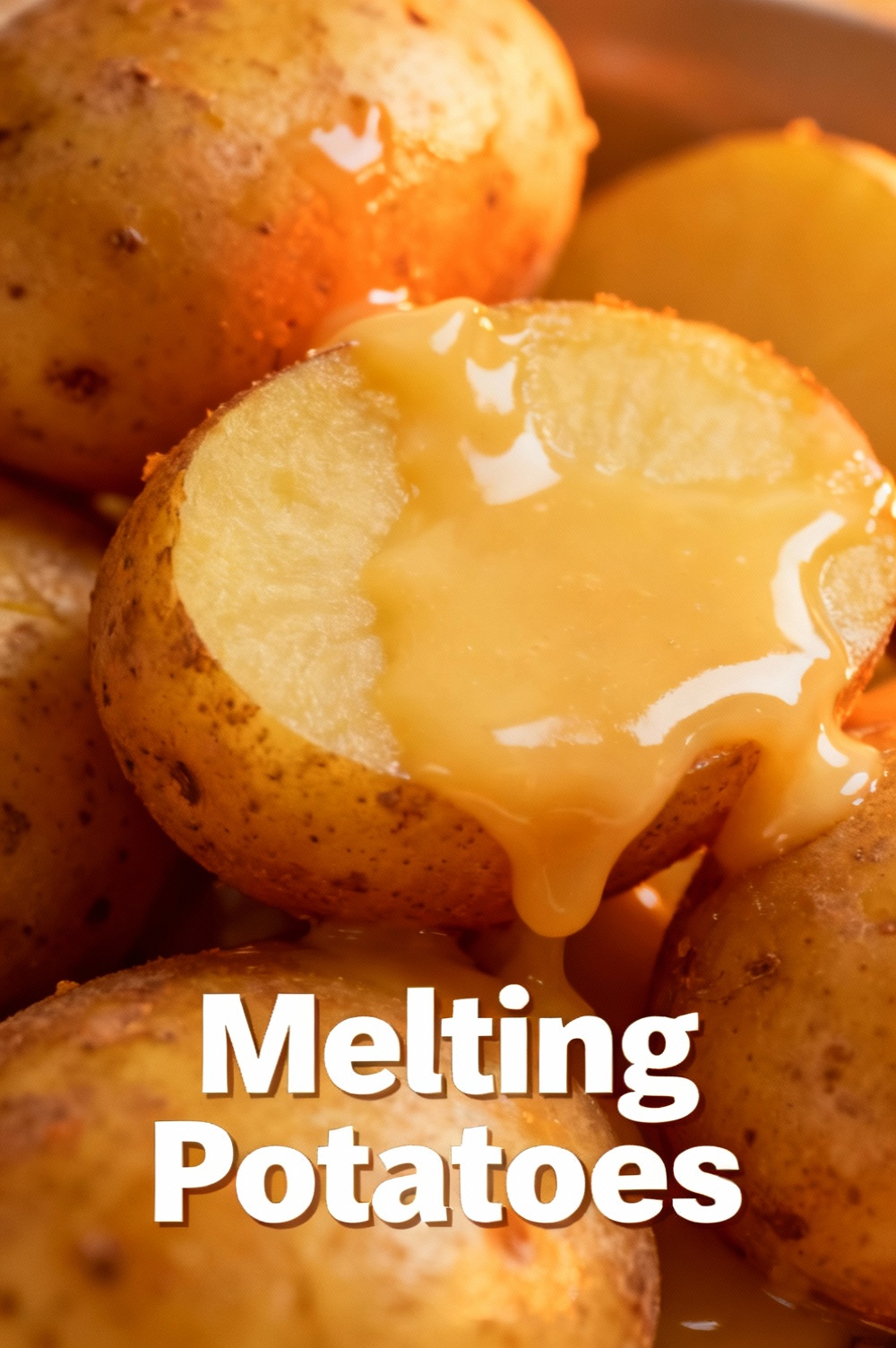
Tender, buttery potatoes with a golden, crispy crust.
Ingredients
- 1.5 lb (700 g) baby potatoes (or small waxy potatoes)
- 3 tbsp unsalted butter
- 1 tbsp olive oil
- 1 cup (240 ml) low-sodium chicken or vegetable stock
- 4 cloves garlic, thinly sliced
- 1 tsp fresh thyme leaves (or 1/2 tsp dried thyme)
- 1 tsp kosher salt (adjust to taste)
- 1/2 tsp freshly ground black pepper
- 2 tbsp chopped fresh parsley
- Optional: 2 tbsp grated Parmesan cheese
Instructions
- Preheat the oven to 375°F (190°C).
- Rinse the potatoes. If any are large, halve them so pieces are uniform. Place potatoes in a pot of salted water and bring to a gentle boil. Parboil 8–10 minutes, until just beginning to be tender but still firm. Drain and let steam-dry for a minute.
- In a large ovenproof skillet over medium-high heat, melt the butter with the olive oil. When sizzling, arrange the potatoes cut-side down (or flat side down) in a single layer. Cook 4–5 minutes without moving so they form a golden crust.
- Push the potatoes snugly together. Scatter the sliced garlic and thyme between them, then season with salt and pepper. Carefully pour the stock around (not over) the potatoes so the cut sides stay exposed.
- Bring the liquid to a simmer on the stove, then cover the skillet with a lid or foil and transfer to the preheated oven. Bake 25–30 minutes, until potatoes are very tender and the stock is mostly absorbed.
- Remove the cover and return to the oven (or broil 2–4 minutes) to brown and crisp the exposed surfaces. Watch closely to avoid burning.
- Take from the oven, sprinkle with chopped parsley and optional Parmesan. Serve hot as a buttery, melt-in-your-mouth side.
Nutrition Information
- Calories: 300 kcal
- Cholesterol: 30 mg
- Sodium: 420 mg
- Carbohydrates: 45 g
- Fiber: 4 g
- Sugar: 2 g
- Protein: 4 g