
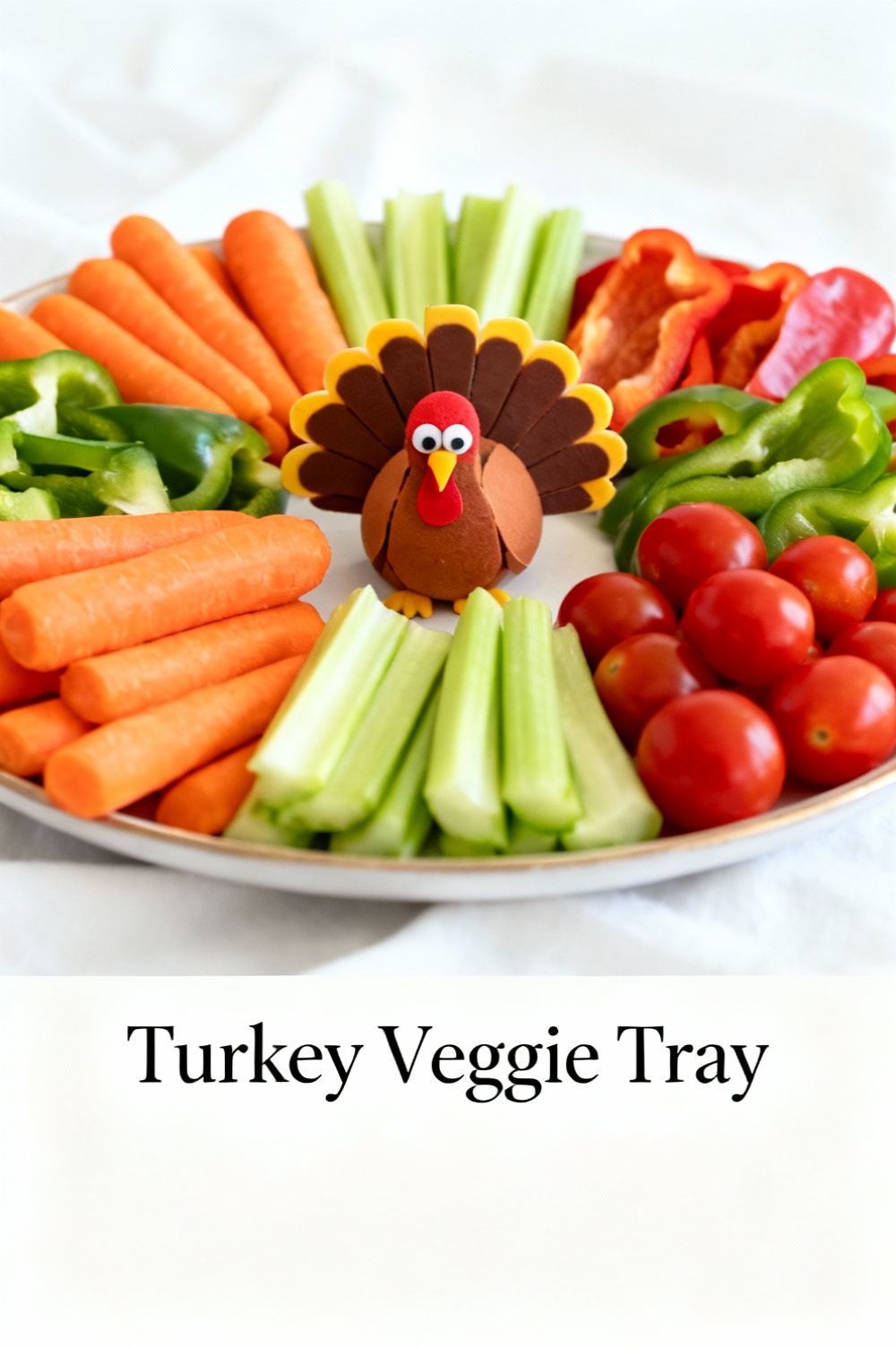
Turkey Veggie Tray
Introduction
Did you know that visually appealing snack platters can increase vegetable consumption by as much as 20–30% in social settings, according to behavioral food-choice research? If you want to turn a simple spread into a crowd-pleasing, nutrient-dense centerpiece that’s as easy to assemble as it is healthy to eat, a Turkey Veggie Tray delivers—combining lean protein, colorful produce, and dips that satisfy every palate while keeping prep time low.
Ingredients List
- 8–12 oz thinly sliced roasted turkey breast (preferably low-sodium, nitrate-free). Substitution: smoked turkey or leftover roast turkey. For vegetarian/vegan, use marinated tempeh or thinly sliced seitan.
- 2 cups baby carrots or organic mini carrots for sweet crunch. Substitution: sliced rainbow carrots or blanched carrot sticks.
- 2 cups cucumber rounds and spears (English or Persian cucumbers keep a firm texture). Substitution: zucchini slices for a milder, less watery option.
- 1–2 bell peppers (red and yellow for color), sliced into strips for sweetness and visual contrast. Substitute with roasted peppers for a smoky note.
- 1 cup cherry or grape tomatoes (halved if large). Substitute with grape tomatoes for consistent bite-size pieces.
- 1 cup snap peas or sugar snap peas for crisp, fresh green bites. Substitute: green beans, lightly blanched.
- 1 cup broccoli florets and/or cauliflower florets, trimmed into bite-size pieces. Tip: blanch for 30 seconds for bright color and tenderness.
- 1/2 cup sliced radishes or jicama sticks for peppery crunch. Substitute: pickled radish slices for tang.
- 1 small avocado, sliced (optional—adds creaminess and healthy fats). Use lemon juice to prevent browning.
- 1 cup assorted olives and pickles (optional) for salty contrast.
- 1–2 cups dip options: hummus, Greek yogurt ranch, honey mustard, or cranberry-apple chutney for a seasonal twist. Provide a dairy-free hummus for vegan guests.
- Fresh herbs (parsley, dill, chives) and lemon wedges for garnish and brightness.
Sensory notes: aim for a mix of crunchy, creamy, sweet, and tangy textures; consider color contrast (greens, reds, oranges, purples) to make the tray pop.
Timing
Preparation time: 15–25 minutes depending on chopping speed and whether you blanch vegetables. Cooking time: 0 minutes (assembly-based). Total time: approximately 20–30 minutes, which is up to 60% faster than creating a hot appetizer or 40% quicker than prepping warm meat platters. If blanching two vegetables, add 5–7 minutes. Make-ahead option: prep components up to 24 hours in advance for fast assembly on event day.
Step 1: Plan your layout and plate selection
Decide on a tray or board size based on guest count (serves 6–8 on a 16–18 inch tray). Use a rimmed baking sheet lined with parchment or a wooden charcuterie board for rustic appeal. Tip: create visual zones—protein, crunchy veggies, creamy dips—to guide grazing and balance colors.
Step 2: Prep and handle produce for maximum freshness
Wash and dry all vegetables thoroughly; a salad spinner reduces water and helps dips stay thick. Cut vegetables into uniform, bite-sized pieces—thin sticks, rounds, and florets—to facilitate easy picking. Pro tip: keep crunchy items like carrots and snap peas in iced water for 10 minutes before assembly to sharpen texture, especially in warm environments.
Step 3: Season and prepare turkey slices
If using store-bought deli turkey, pat slices dry and layer with a light brush of olive oil or a sprinkle of za'atar or smoked paprika for extra flavor. Roll or fold slices into rosettes or simple fans to add height. Tip: stacking rolled turkey creates visual volume without taking extra tray space.
Step 4: Prepare your dips—simple, high-impact options
Classic hummus: blend canned chickpeas, tahini, lemon juice, garlic, olive oil, and salt. Greek yogurt ranch: mix Greek yogurt with lemon, chopped chives, garlic powder, and dill. Honey-mustard: whisk Dijon, honey, apple cider vinegar, and olive oil. Make one dairy-free option (e.g., roasted red pepper hummus) to accommodate allergies. Serve dips in small bowls and drizzle with olive oil or smoked paprika for garnish.
Step 5: Arrange strategically for aesthetics and flow
Place the largest elements first (dips and turkey rosettes), then tuck smaller vegetables in between. Use height—pile broccoli or rolled turkey—to create focal points. Alternate colors and textures around the tray; place acidic items (tomatoes, pickles) away from delicate items (avocado) to prevent premature breakdown. Tip: leave small gaps for utensils, lemon wedges, and toothpicks.
Step 6: Final garnishes and serving prep
Add fresh herbs, cracked pepper, and citrus wedges just before serving. If transporting, cover tray with damp paper towels and plastic wrap, and add garnish upon arrival. Provide small plates, napkins, and labels for allergen-sensitive ingredients (e.g., dairy-free, gluten-free).
Nutritional Information
Estimated per-serving values (based on 8 servings): Calories 160–220; Protein 12–18 g; Carbohydrates 8–12 g; Dietary Fiber 2–4 g; Fat 8–12 g (mostly from olive oil/avocado); Sodium variable—200–600 mg depending on turkey choice. Data insight: swapping low-sodium turkey can reduce sodium by roughly 30–50% per serving; adding avocado increases monounsaturated fats and vitamin E. Veggies contribute vitamins A and C, potassium, and phytonutrients; combining with lean turkey increases satiety—studies show protein-rich appetizers reduce overeating at later courses.
Healthier Alternatives for the Recipe
- Lower sodium: choose roasted, low-sodium turkey breast or rinse deli slices lightly to remove surface sodium. Use lemon and herbs for flavor instead of salt.
- Lower fat: swap creamy dairy dips for oil-free hummus or a vinegar-based chimichurri.
- Plant-based swap: replace turkey with grilled marinated tempeh, smoked tofu, or thick slices of roasted portobello for a similar savory bite.
- Keto-friendly: omit high-carb dips like sweet chutneys; focus on full-fat Greek yogurt dip and avocado; add cheese cubes or salami for extra fat and protein.
- Allergy-friendly: ensure dips are nut-free and label gluten-containing crackers; offer vegetable-based crackers (celery, cucumber) for gluten-free guests.
- Reduced food waste: use veggie scraps to make a quick vegetable stock or roast stems like broccoli stalks instead of tossing.
Serving Suggestions
Pair the tray with whole-grain crackers, seeded crispbreads, or warm pita wedges for variety. For seasonal pairings: serve with spiced pumpkin dip in fall or a citrus-herb vinaigrette in spring. Beverage matches: light white wines, sparkling water with citrus, or herb-infused iced tea complement the fresh flavors. For a family-style meal, place multiple smaller trays around the table to encourage communal grazing and reduce crowding.
Common Mistakes to Avoid
- Overcrowding the tray: a cluttered board makes grabbing difficult and increases mess—leave space between groupings.
- Using watery vegetables without drying: wet veggies dilute dips and lead to sogginess—dry thoroughly after washing.
- Serving salty turkey with salty olives and pickles: balance flavors to avoid overpowering guests—offset salty items with fresh cucumber or unsalted crackers.
- Pre-cutting avocado too early: it browns quickly—slice just before serving or toss with lemon.
- Neglecting temperature: cold turkey and chilled dips perform best. Avoid leaving the tray out for more than 2 hours (1 hour if ambient temp >90°F).
Storing Tips for the Recipe
Store components separately: keep turkey in airtight container, veggies in shallow containers lined with paper towels to absorb moisture, and dips in sealed jars. Use within 2–3 days for best texture; turkey may last up to 3–4 days refrigerated if fresh and properly sealed. For longer storage, freeze turkey slices in a flat layer for up to 2 months—thaw overnight in the fridge. Prep tips: chop vegetables and place in ice water up to 24 hours in advance to preserve crispness; assemble tray no more than 2 hours before serving for optimal appearance.
Conclusion
A Turkey Veggie Tray is a fast, flexible, and nutritious option that wins on both taste and presentation—ideal for weeknight gatherings, potlucks, or healthy snacking. With simple swaps you can adapt it for low-sodium, vegan, keto, or allergy-friendly needs while keeping prep time minimal. Try assembling one for your next event, tag a friend, or tell us which dip combo you loved most—your feedback helps refine recipe variations and serving ideas.
FAQs
Q: How long can a Turkey Veggie Tray sit out?
A: Aim for under 2 hours at room temperature; shorten to 1 hour in hot conditions above 90°F. Keep dips cold by placing bowls on a bed of ice when needed.
Q: Can I make the tray ahead of time?
A: Yes—prep and refrigerate components (cut veggies, dips, and turkey) up to 24 hours in advance. Assemble within 2 hours of serving for best presentation.
Q: Is this tray kid-friendly?
A: Absolutely. Offer milder dips and cut vegetables into easy-to-handle shapes; use mild turkey and avoid strong pickles or overly spicy condiments.
Q: How do I make it vegan?
A: Replace turkey with marinated tempeh, smoked tofu, or store-bought vegan deli slices. Ensure dips are plant-based—hummus and baba ganoush are great choices.
Q: What are good dip pairings for picky eaters?
A: Classic hummus, plain Greek yogurt dip (or plant-based yogurt), and honey-mustard provide a sweet, creamy, and savory trio that appeals broadly.
Q: Can I include cheese on the tray?
A: Yes—add small cubes or slices of firm cheese (cheddar, gouda, manchego) for variety. Label for guests with dairy restrictions.
For more inspiration, explore related posts like "Creative Dip Pairings," "Seasonal Veggie Tray Ideas," and "Charcuterie vs. Veggie Boards: When to Choose What" to diversify your next gathering.